Article takeaways
- An accessory dwelling unit (ADU) is a self-contained living space on your property that typically costs between $150 to $400 per square foot, depending on the type you choose.
- Your existing garage or yard space determines which ADU option actually works for your property and wallet.
- Local permit rules can make or break your project, so research what’s allowed in your area before getting your heart set on any plans.
- An ADU construction isn’t a quick home improvement project and will affect how your family lives for many months.
- Finding contractors who specialize in ADUs saves you from learning expensive lessons the hard way.
You’ve been thinking about building something in your backyard for months now. Maybe your aging parents need a place to live that’s close but independent. Your adult kids can’t afford rent anywhere decent. You’d love some extra income to help with the mortgage. Or you just want a home office where you can actually think without hearing every family conversation through the walls.
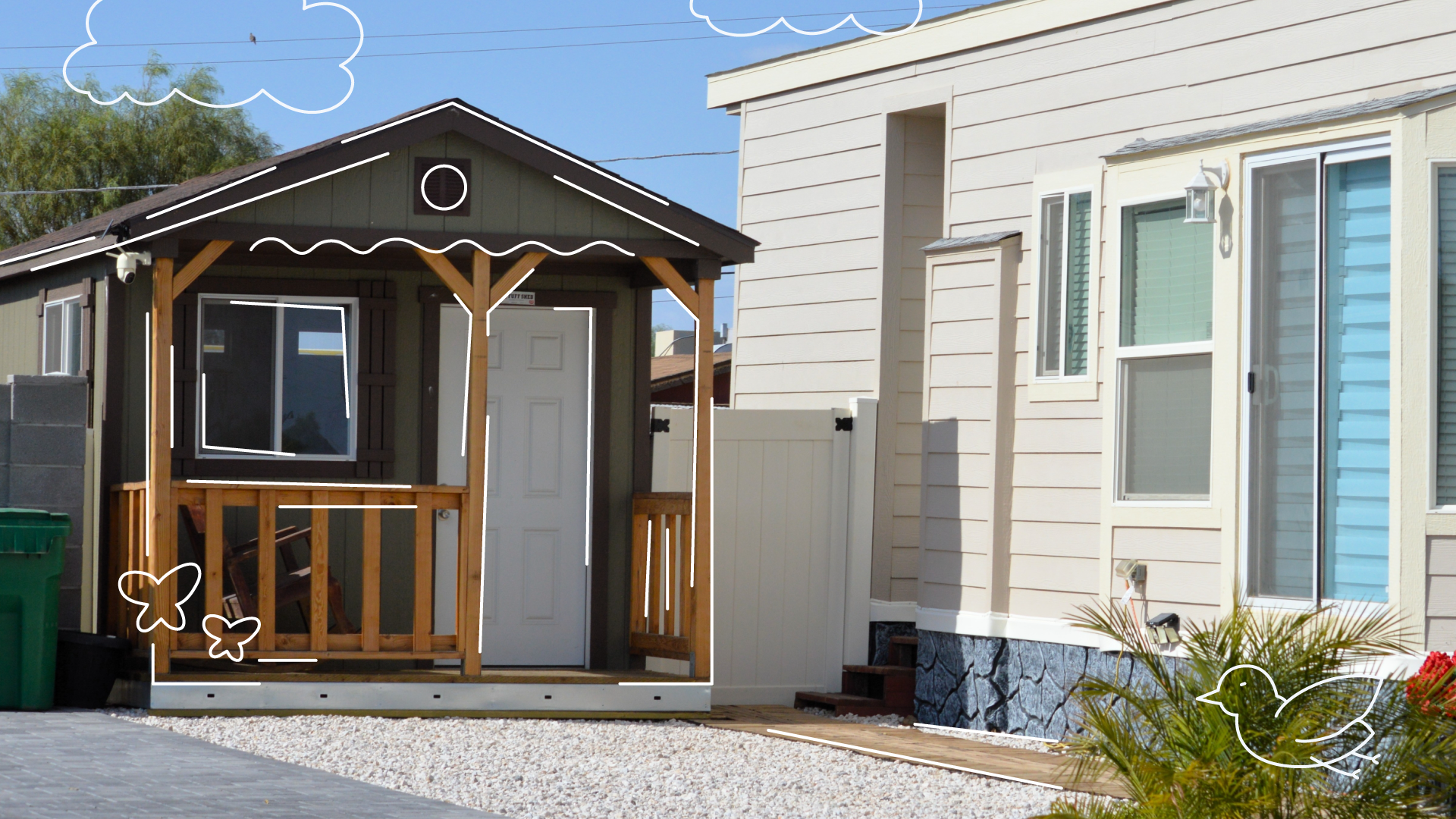
An accessory dwelling unit, commonly called an ADU, might be exactly what you need. These self-contained living spaces sit on your property and include their own kitchen, bathroom, and sleeping area. People call them lots of different names: granny flats, in-law suites, backyard cottages, or carriage houses. Whatever you call yours, ADUs give you flexible living space while keeping everyone close but independent.
Once you start researching, though, the money question hits you hard. ADU construction cost depends on what type you build, where you live, and how nice you want to make it. Building any kind of additional housing costs real money. But some approaches cost much less than others, and that can make all the difference for your budget.
You’ve got options, from garage conversions that work with what you already have to building something completely new. Each choice comes with different costs, timelines, and benefits. Finding what fits your budget and goals makes all the difference.
What You Can Expect to Pay for ADU Construction in 2026
The average accessory dwelling unit costs around $180,000 nationally, but that number doesn’t tell you much about what you’ll actually spend. Most homeowners end up paying anywhere from $40,000 to $360,000. That huge range probably feels overwhelming, but it shows how much your choices can affect the final price. ADU cost per square foot runs $150 to $300 on average, though complex projects in expensive areas can go over $600 per square foot.
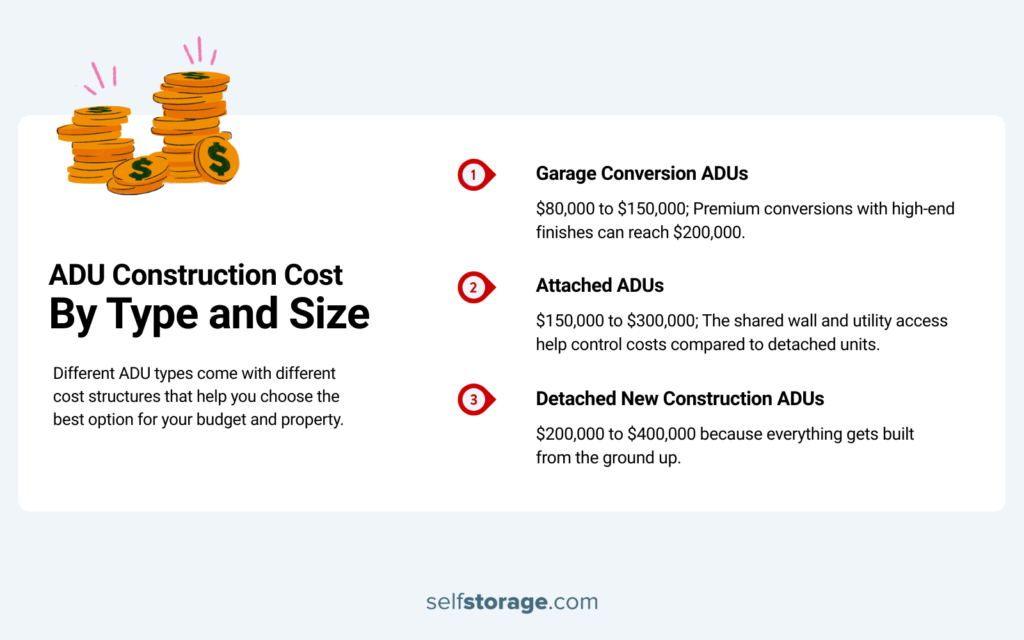
The type of ADU you choose makes the biggest difference in your budget. Converting your garage gives you the best deal because you already have walls, a foundation, and a roof to work with. Converting a typical two-car garage into livable space usually costs between $80,000 and $150,000.
Attached ADUs that connect to your main house typically run $150,000 to $300,000. You need foundation work, but you can often connect to existing utilities. Detached new construction costs the most at $200,000 to $400,000, because you’re building everything from scratch.
Where you live makes a huge difference, too. In Los Angeles, ADU construction cost ranges from $150,000 to $400,000, with garage conversions starting around $100,000. Other major West Coast cities see similar pricing, with detached ADUs running $375 to $600 per square foot. If you live somewhere with lower building costs, you might pay 30-50% less than these California prices.
Size affects your budget, but maybe not how you’d expect. The cost per square foot actually goes down with larger ADUs because certain fixed costs get spread over more space. A tiny 200-square-foot ADU might cost $350 per square foot. A roomy 1,200-square-foot unit could come in at $150 per square foot.
How complex you get matters just as much as size. A simple studio with basic finishes costs way less than a two-bedroom with high-end appliances and custom everything. Your property affects pricing, too. Level lots with good access and nearby utilities cost less to develop than challenging sites that need major grading or long utility runs.
The Affordable Route: Converting Your Garage Into an ADU

If you have a garage that’s not doing much besides storing stuff you forgot you owned, converting it into an ADU offers the best value for your money. Garage conversion costs typically run $150 to $400 per square foot. That breaks down to about $36,000 to $96,000 for a one-car garage or $75,000 to $225,000 for a three-car garage.
You get better value because you already have the basic structure. Foundation, walls, roof—the expensive stuff already exists. Your garage sits close to your house, too, which makes connecting electricity, plumbing, and gas lines easier and cheaper. You won’t need major site prep, foundation digging, or complex framing work.
What you’ll need: making the space actually livable. This means adding insulation to meet residential standards, installing proper heating and air conditioning, and upgrading electrical systems to handle daily living needs. You’ll add plumbing for a bathroom and kitchen, put in real flooring over that concrete slab, and probably add interior walls to create separate rooms. The garage door gets replaced with windows and a proper front door that looks welcoming rather than industrial.
Most garage conversions take seven to nine months, which beats building from scratch by a lot. If your garage is in good shape and doesn’t need foundation work or a new roof, you might finish even faster. You’ll still need permits and inspections, but everything moves more quickly when you’re working within existing walls.
Not every garage works for conversion, though. A structural engineer needs to check whether your existing foundation and framing can handle people living there. Garages built decades ago might not meet current codes for ceiling height, foundation depth, or structural requirements. Sometimes bringing an old garage up to code costs more than tearing it down and starting over.
Most people don’t think about this ahead of time: during conversion, you lose your garage. Your car needs somewhere else to live, along with all the stuff currently stored there. Most families don’t realize how much accumulated over the years until they have to move it all. Getting your garage organized before construction starts makes everything less stressful for you and easier for your contractors to work efficiently. Renting a storage unit for tools, seasonal items, and belongings keeps your project moving smoothly while protecting your stuff from construction dust and chaos.
What Most People Don’t Expect When Budgeting for an ADU
Here’s where things get tricky. Beyond basic construction, several other expenses can really mess with your budget if you don’t see them coming. Nobody wants surprises when you’re already spending this much money, so let’s walk through what to expect.
Permits and fees often shock people with how much they cost. Building permits for ADUs average $1,350 nationally, but change quite a bit depending on where you live. In California, permits run $10 to $12 per square foot. That means a 750-square-foot ADU could cost $7,500 to $9,000 just in permit fees before you even break ground. Los Angeles can hit you with permit costs from $5,000 to $25,000, depending on how complex your project gets.
Design and architectural plans typically cost $5,000 to $30,000, depending on how custom you want to go. Good news though: pre-approved plans offered by many cities can cut this cost by 40% or more. Using these standardized designs also speeds up approvals and keeps construction moving faster.
Site preparation loves to surprise people with extra costs. Soil testing might reveal drainage problems or contamination that needs fixing. Maybe you need tree removal, utility lines moved, or major grading to create a level spot to build. Don’t forget about landscaping restoration either—construction equipment damages yards, and getting grass and plants back to normal costs more than most people expect. Properties with steep slopes or bad soil can see these costs grow way beyond what anyone expected.
Your existing utilities might not handle the extra load. The electrical panel might need upgrading. You might need new gas lines, sewer connections, or water service extensions that can cost $5,000 to $30,000, depending on distance and complexity. Detached ADUs especially hit you with higher utility costs since everything has to be run from the main house.
The finishes you pick can easily double your construction budget. Basic contractor-grade stuff keeps costs reasonable. Custom cabinets, high-end appliances, and luxury finishes will push you toward the top of the price range. Kitchen and bathroom choices hit your wallet hardest since these spaces need the most expensive fixtures and appliances.
Something most people don’t think about: you’ll need more storage space during construction. Converting a garage means losing that storage forever. Building detached means storing construction materials and equipment securely during the build. Figuring out which belongings you need access to daily versus what can be stored temporarily helps you plan storage solutions that won’t break your budget while keeping your project moving.
How to Build an ADU Without Breaking the Bank
Nobody wants to spend more than they have to, especially on a project this expensive. Several smart strategies can help you build an ADU without emptying your savings account, though they all need careful planning and realistic expectations about what you can handle.
Choosing a garage conversion over new construction gives you the best bang for your buck. Even if your garage needs significant work, conversion typically costs 30-50% less than building from scratch. You’re working with bones that already exist rather than creating everything new.
Timing matters more than most people realize. Construction costs often drop during slower seasons when contractors actually want your business. Getting multiple bids during these periods gives you better negotiating power and more contractor options to choose from.
You can tackle some work yourself to cut labor costs, but be honest about your skills and available time. Painting, basic landscaping, and simple interior finishing work make sense for handy homeowners. Leave structural, electrical, plumbing, and HVAC work to licensed professionals. Code compliance and safety aren’t areas to learn on the job. Mistakes cost way more than hiring professionals from the start.
Material choices offer good savings opportunities without sacrificing quality. Standard sizes and readily available materials cost less than custom-made everything. Choose quality materials for structural parts and mechanical systems where durability really matters. Consider budget options for things you can easily upgrade later, like flooring, light fixtures, and hardware.
Pre-approved plans make both approval and construction move faster and cheaper. Many cities now offer pre-designed ADU plans that already passed review and approval. These cost less than a custom design and zip through permitting. 2026 laws in progressive states require all cities to offer pre-approved ADU plans, making this option easier to find than ever.
Experienced ADU contractors often save you money in the long run, even when their hourly rates look higher upfront. Contractors who specialize in ADUs understand local codes, work with efficient subcontractors, and navigate permits faster than those who mainly build full houses. Always check references from recent ADU projects and make sure you understand contract terms before signing – things like change order procedures, payment schedules, and completion timelines can really affect your final costs.
During construction, your stuff needs somewhere safe to go. This matters especially for families already dealing with homes that feel too small. Smart temporary storage protects your belongings from damage and theft while keeping work sites organized and safe for contractors.
ADU Permits: What You Need to Know Before You Build
Permits probably aren’t the fun part of planning your ADU, but they matter a lot for both your budget and timeline. The good news? Recent laws have made the process easier in many areas while making costs more predictable. Knowing what to expect upfront keeps you from getting blindsided by extra costs or delays that drive everyone crazy.
California leads the country in ADU-friendly rules, with easier permitting and state laws that override restrictive local rules. New 2026 laws require cities to check ADU applications for completeness within 15 business days and give you written lists of any problems. Cities face “automatic approval” consequences if they miss these deadlines, which forces them to process things more efficiently.
Other states handle ADU regulation differently. Oregon and Washington generally support ADU development with easier processes. Some states, like Massachusetts, recently passed laws allowing ADUs up to 900 square feet by right in single-family zones, which represents a big shift toward broader ADU acceptance nationwide.
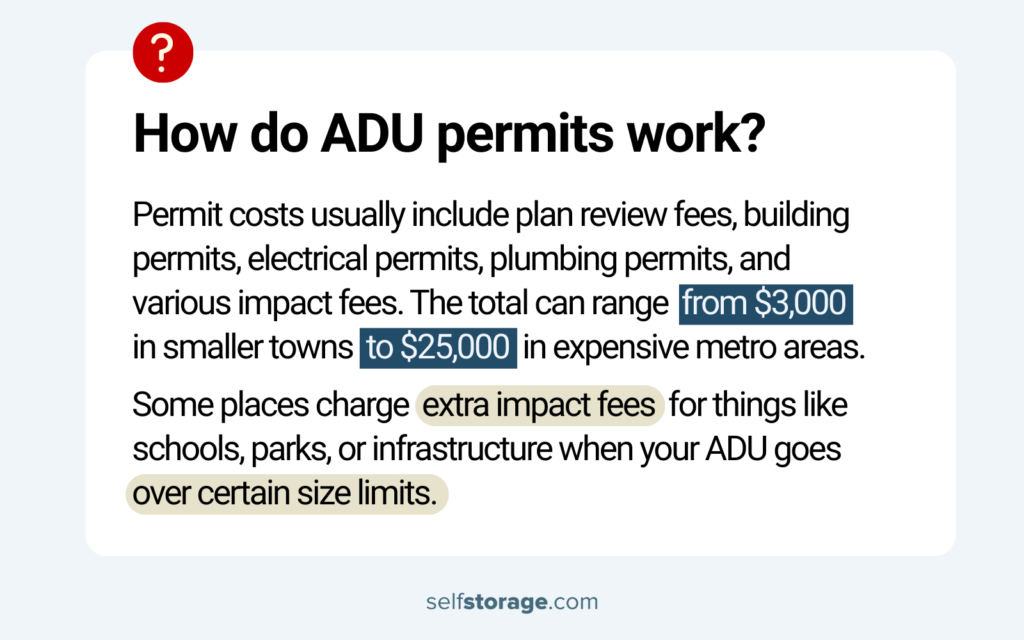
Permit costs usually include plan review fees, building permits, electrical permits, plumbing permits, and various impact fees. The total can range from $3,000 in smaller towns to $25,000 in expensive metro areas. Some places charge extra impact fees for things like schools, parks, or infrastructure when your ADU goes over certain size limits.
Your local regulations will determine specific requirements like setback distances from property lines, maximum ADU size limits, parking requirements, and whether you need to live on-site (owner-occupancy rules). These regulations directly affect costs since meeting setback requirements might limit where you can build, size limits affect your per-square-foot costs, and parking requirements can add expensive paving or garage construction.
Recent state laws in some areas limit impact fees on ADUs smaller than 750 square feet, which helps keep smaller units affordable. Many cities also waive certain fees for ADUs altogether as a way to encourage more housing.
Contractors who specialize in ADU permitting cut both time and costs. These professionals understand local requirements, have relationships with planning departments, and know how to prepare applications that get approved quickly. They also stay current on changing rules that might affect your project.
The permit process gives you time to think through what happens to your belongings during construction. Permits often require work areas to stay accessible to inspectors throughout the build. If you’re converting a garage or building near your house, you might need to temporarily move items that would otherwise be in the way. Families dealing with multigenerational living often find that temporary storage solutions help keep everyone comfortable during construction while protecting belongings from dust, noise, and damage.
ADU Construction Cost by Type and Size
Different ADU types come with different cost structures that help you choose the best option for your budget and property. Knowing these differences upfront keeps you from sticker shock later and helps you make realistic plans.
Garage Conversion ADUs
Garage conversions typically cost $80,000 to $150,000, making them the most affordable ADU option. A basic single-car garage conversion ranges from $45,000 to $80,000, while a two-car garage conversion with full kitchen and bathroom runs $85,000 to $150,000. Premium conversions with high-end finishes can reach $200,000.
The savings come from using the existing structure, but your garage needs to be in decent condition for conversion to make financial sense. Garages with foundation problems, structural damage, or serious code violations might cost more to fix than they’re worth.
Attached ADUs
Attached ADUs connect to your main house and typically cost $150,000 to $300,000. These units often cost $150 to $250 per square foot because they can share some utilities with the main house while needing foundation extensions and new framing. The shared wall and utility access help control costs compared to detached units.
Detached New Construction ADUs
Detached ADUs cost the most, usually $200,000 to $400,000, because everything gets built from the ground up. These units typically run $200 to $400 per square foot and need complete utility connections, foundations, and site preparation. They do offer maximum privacy and flexibility in placement on your lot, though.
ADU Size and Square Footage Considerations
Size affects your total cost, but the relationship isn’t always straightforward. Fixed costs like permits, utility connections, and basic appliances get spread over more space in larger units. A 400-square-foot studio might cost $300 per square foot, while an 800-square-foot one-bedroom unit could cost $225 per square foot.
Most ADUs fall between 400 and 1,200 square feet. Smaller units feel cramped for full-time living but work well for guests or home offices. Larger units provide comfortable long-term housing but approach the cost of building a small house.
State and local regulations often limit ADU size. California generally allows ADUs up to 1,200 square feet, while other states might have different maximums. Check your local rules before finalizing size plans.
Paying for Your ADU: What Options Do You Have?
Most homeowners need financing help for ADU construction, but several options can make these projects work even with limited cash on hand.
Home equity loans and lines of credit represent the most common financing approach. These loans use your home’s equity as collateral and typically offer lower interest rates than personal loans or credit cards. Many lenders view ADUs favorably because they increase property value, making approval easier for qualified homeowners.
Cash-out refinancing lets you refinance your existing mortgage for more than you owe and use the difference to fund your ADU. This works especially well when interest rates favor refinancing or when you want to consolidate other debts at the same time.
Construction loans provide funds during the building process and convert to permanent financing once construction is complete. These loans need more paperwork and higher down payments but can work well for larger projects or homeowners who don’t have much equity yet.
Some areas offer special ADU financing programs. California cities sometimes partner with lenders to offer reduced-rate loans for ADU construction. These programs aim to increase housing supply and might offer better terms than conventional loans.
Personal loans work for smaller projects but typically cost more than secured financing. They make sense for garage conversions or smaller attached ADUs where you need less than $100,000 and want to avoid putting your home at risk as collateral.
During the financing process, families often discover they need to clear out storage areas for appraisals or construction access. Areas that have been used primarily for storage might need major organizing before lenders or contractors can evaluate them properly. Getting these spaces organized early in the planning process helps everything move more smoothly.
Regional Cost Variations Across the United States
ADU construction costs change quite a bit across different regions, influenced by local labor rates, material costs, permitting requirements, and market demand.
High-Cost Regions
California, Oregon, and Washington command premium pricing due to high labor costs, strict building codes, and strong housing demand. High-cost coastal areas typically range from $300 to $600 per square foot, with the San Francisco Bay Area at the top of the range. Los Angeles and San Diego fall in the middle of this range, while Central Valley cities cost somewhat less.
The Northeast corridor, particularly around New York and Boston, sees similarly high costs due to expensive labor and materials. Fewer places in these areas actively encourage ADU development though, which can make permitting more challenging and expensive.
Moderate-Cost Regions
Texas, parts of the Midwest, and some Southeastern states see more moderate ADU building costs, falling withing that typical square foot price range, $150 to $300. These areas often have lower labor costs and fewer regulatory hurdles, though ADU acceptance changes by local area.
States like Colorado and North Carolina fall into this middle range, with costs influenced more by local market conditions than statewide policies. Some cities in these states actively encourage ADU development while others restrict it.
Lower-Cost Regions
Rural areas and smaller cities throughout the Midwest and South often see the lowest ADU construction costs, sometimes 30-50% below coastal pricing. These areas might have limited contractor availability or less familiarity with ADU projects though, which can offset some savings.
States with the lowest cost of living generally offer better value for ADU construction, but verify local zoning rules before assuming ADUs are permitted. Some lower-cost areas haven’t updated their zoning to accommodate ADU development.
Getting the Most Value from Your ADU Investment
ADUs can provide great returns through rental income, increased property value, and reduced housing costs for family members. Planning these benefits upfront helps justify the initial investment.
Rental income changes by location but can offset building costs relatively quickly in high-demand areas. ADUs in cities where rent is typically pretty high, often generate $1,500 to $3,500, while lower-cost areas might see $800 to $1,500 monthly. Even conservative rental estimates can provide 8-12% annual returns on your investment.
Property value increases from ADUs change but typically range from $100,000 to $300,000 in premium markets. Studies show ADUs can boost property values by 10-30%, though the exact amount depends on local market conditions and ADU quality.
ADUs also provide value that’s harder to put a number on. They let aging family members live independently while staying close. They give adult children affordable housing while they save for their own homes. They provide home office space that actually separates work from family life.
Planning for these uses during design helps maximize your investment. ADUs designed for aging in place need different features than those intended for young renters. Office-focused ADUs need different layouts than full-time housing units.
Making Your ADU Dreams Reality
Turning Your ADU Plans into Action
Building an ADU costs serious money, but these spaces solve real housing problems while adding long-term property value.
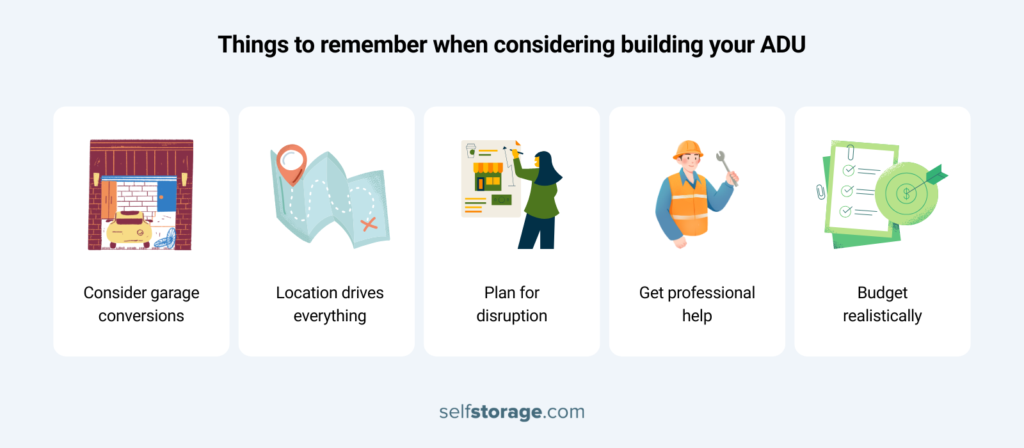
Important things to remember when considering building your ADU:
- Garage conversions: offer the best value at $80K-$150K
- Location drives everything: permits, costs, and rental potential all depend on where you live
- Plan for disruption: construction affects your family for 7-9 months and you’ll need temporary storage solutions
- Get professional help: experienced ADU contractors work more efficiently (saving time and money)
- Budget realistically: include a 10-20% buffer for unexpected costs
Research your local ADU rules, regulations, and requirements early since those determine what you can actually build. Take advantage of streamlined permitting now available in many areas.
Most families need secure storage during construction to protect belongings and keep projects moving smoothly. SelfStorage.com can help you find affordable solutions with flexible terms that match your timeline.
Your ADU can provide decades of value through rental income, family housing, or just having space to breathe. Start with clear goals, realistic expectations, and the right professional team.
FAQs
The average garage conversion costs around $110,000 nationally, with most homeowners spending between $25,000 and $225,000 depending on garage size and finish quality. Single-car garages typically cost $36,000 to $96,000 to convert, while larger three-car garages can run $75,000 to $225,000.
ADU permits cost more than simple home improvement permits because you’re creating new housing, which triggers extra fees for schools, parks, sewer capacity, and infrastructure. Some places charge impact fees that can reach $10,000 or more, though recent laws in some states limit these fees for smaller ADUs.
Garage conversion typically increases rather than decreases home value, especially in areas with housing shortages. Some buyers prefer garage parking though, so the impact changes by local market conditions. Well-designed conversions in high-demand areas usually add good value.
Total timeline from initial planning to move-in typically ranges from 9 to 18 months. Garage conversions can be faster, often 7 to 9 months, while detached new construction takes longer. The construction phase itself usually takes 4 to 8 months, with permitting and design taking extra time upfront.
This depends on local regulations, which vary widely. Some cities explicitly allow short-term rental of ADUs, others prohibit it, and many fall somewhere in between with specific requirements. New 2026 California laws prohibit short-term rental of Junior ADUs specifically, though standard ADUs might still be eligible depending on local rules.