Article takeaways
- Start with a complete home inventory before making elimination decisions to avoid keeping duplicates or discarding valuable items.
- Apply the “one-year rule” and avoid “just in case” thinking to identify items safe for elimination.
- Use storage as a strategic decision-making tool rather than permanent housing for unwanted items.
- Research values before selling quality furniture, antiques, or collectibles to maximize financial returns.
- Give yourself time for emotional decisions. Downsizing is a gradual journey, not a one-time event.
Picture standing in your current home, surrounded by decades of accumulated belongings, feeling overwhelmed by the sheer volume of decisions ahead. You’re facing a move to a smaller space, and every room seems to whisper the same daunting question: “What am I going to do with all this stuff?”
Learning how to downsize your home involves much more than fitting into fewer square feet. You’re making strategic decisions that balance practical needs, emotional attachments, and financial considerations. The process can feel emotionally charged, especially when every item seems to carry a memory or potential future use.
Downsizing experts consistently recommend a systematic approach to this challenge. The sell/store/keep framework isn’t just theory. It’s the difference between making panicked decisions you’ll regret and approaching this transition thoughtfully.
By the end of this guide, you’ll have a practical downsizing checklist and specific strategies to help you navigate this transition with confidence rather than stress, including clear guidelines on what to keep when downsizing to your new space.
Start With a Strategic Home Inventory
Before making any decisions about what goes where, you need a complete picture of what you own. Start with an inventory to prevent the common mistake of keeping duplicates while discarding useful items.
Walk through your home room by room, creating categories based on both function and emotional significance. Group similar items together: all kitchen gadgets, all books, all seasonal decorations. You’ll be amazed at what you find. Three coffee makers in different cabinets. A collection of winter coats that somehow multiplied over the years.
During this process, pay special attention to items that haven’t moved in months. These stationary items are usually your easiest decisions. If something hasn’t been used, moved, or even noticed in a year, it’s probably going in the donate pile.
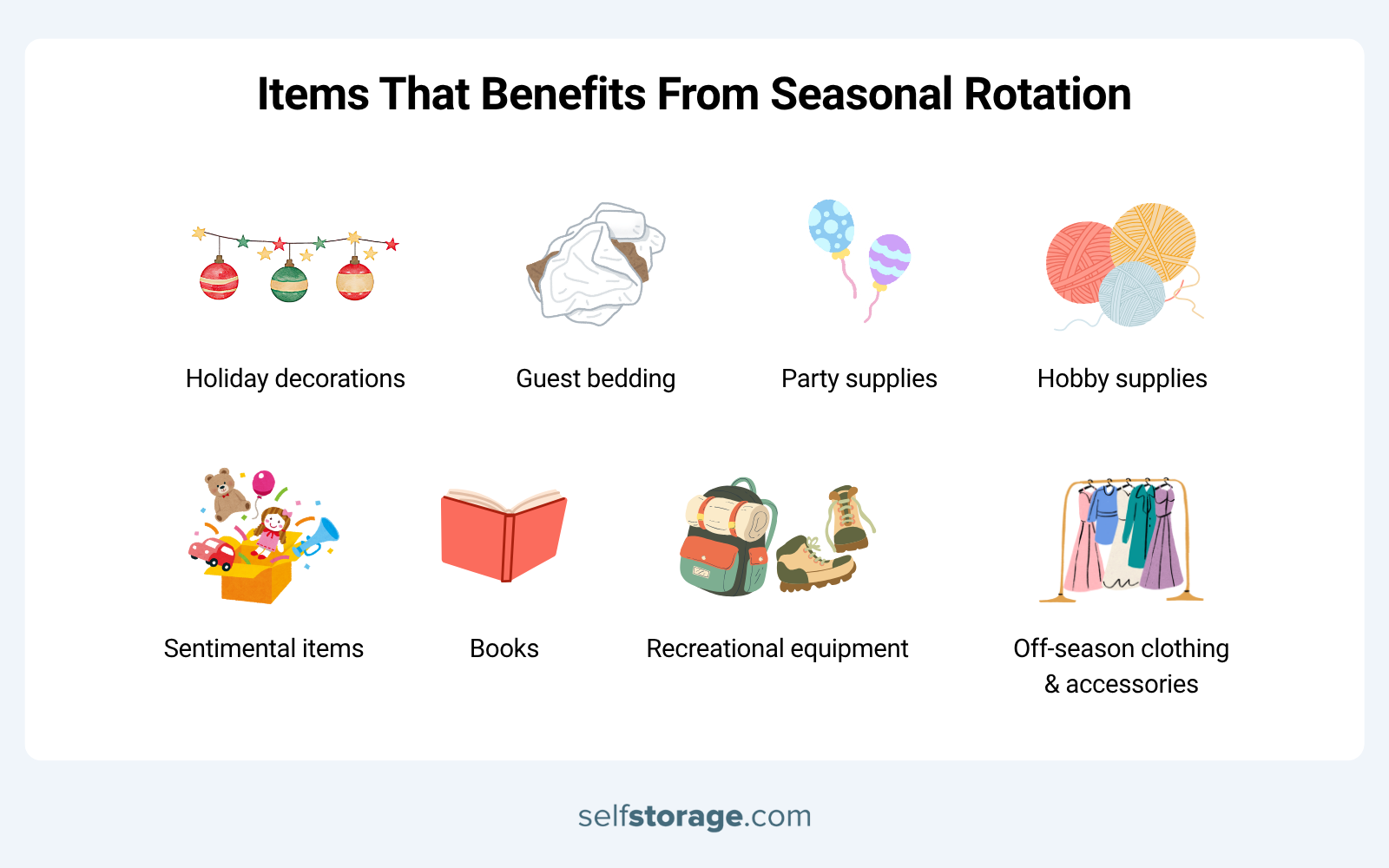
As you sort, create separate piles for obvious categories:
- Duplicate items
- Broken items that would cost more to repair than replace
- Clothes that no longer fit
- Electronics that have been superseded by newer technology
These items form your initial “sell or donate” pile and help build momentum in the decision-making process.
Document valuable items with photos, especially things you’re considering selling. This visual inventory becomes invaluable later when you’re comparing similar items or trying to remember why you kept something.
What to Get Rid of When Downsizing
The “one-year rule” serves as your primary filter for elimination decisions. If you haven’t used, worn, or referenced something in the past twelve months, it’s likely safe to remove it from your life. This rule works especially well for clothing, books, kitchen gadgets, and hobby supplies that seemed important when purchased but haven’t proven their value through regular use.
Watch out for “just in case” thinking, too. It’s a trap, and we all fall into it. That bread maker you bought with grand, sourdough intentions? If it’s been sitting unused for two years, the likelihood of suddenly developing a bread-making habit in a smaller space is near zero. The same goes for keeping “good dishes” for special occasions that never seem special enough. Those beautiful items typically just sit there, unused.
Work through each room systematically. Start with the kitchen, where you’ll keep one high-quality version of each essential tool rather than multiple mediocre ones. Choose the best knife, the most versatile pan, and the coffee maker you actually use daily. Kitchens are duplicate magnets, which makes them perfect for practicing decisive elimination.
Bedrooms require a different strategy, particularly when it comes to clothing. That stack of jeans in three different sizes “just in case”? They’re taking up valuable space. Keep clothes that fit your current body and current lifestyle. Your formal wear collection from your corporate days might not align with your retirement plans. Clothes that require special care, haven’t fit properly in years, or belong to a version of yourself that no longer exists can be released without regret.
Living areas present their own challenges, especially with books. They carry emotional weight, and people get attached. Keep the reference books you truly consult, the fiction you’ll reread, and the titles that shaped your thinking. Everything else can find new life with other readers through donation or sale.
Don’t overlook the hidden accumulation zones throughout your home. Bathrooms hide expired medications and beauty products that have accumulated over the years. Check expiration dates and toss anything past its prime. Basements and garages house the “someday” projects that never materialized. Exercise equipment gathering dust, craft supplies for abandoned hobbies, seasonal items you haven’t touched in years. These spaces usually offer the easiest elimination decisions because you’ve already forgotten half of what’s down there.
When you’re ready to sell items, different platforms serve different purposes. Facebook Marketplace works great for furniture and large items since buyers can see them in person before committing. Consignment shops will handle everything for you, but they take their cut. Estate sale companies move entire collections fast, but charge fees. eBay works better for collectibles and smaller items that ship easily.
As you make these decisions, consider the practical maintenance burden of items you’re keeping. That elaborate exercise equipment that requires regular servicing isn’t worth the space and upkeep in your new home. Choose items that earn their place through regular use and minimal maintenance requirements.
What to Keep vs What to Store

Once you’ve worked through the elimination process, you’ll face decisions about remaining items. Unfortunately, there isn’t a magic formula for this decision, but understanding what to keep when downsizing prevents cramming too much into your new, smaller space. The distinction between “keep” and “store” prevents cramming too much into your new, smaller space, though. Keep items are your daily essentials: things you need regular access to for comfort, function, or genuine enjoyment. These items have earned permanent residence in your reduced square footage.
The storage category works differently. These are belongings with genuine value, either monetary or emotional, that don’t require daily access but aren’t ready for permanent elimination. Seasonal gear like camping equipment, holiday decorations, and winter sports equipment all fit this category.
Family heirlooms, important documents, and collections that bring joy but don’t require constant display are prime storage candidates. Think of self-storage as a “transition room” that prevents rushed decisions during an already stressful move.
Sentimental items benefit most from this approach. Take grandmother’s china set: instead of making a hasty decision, store it temporarily while you settle into your new space. After six months in their new home, many people have clarity about which stored items they truly miss and want to integrate back into their lives.
Furniture often falls into this temporary storage category as well. That solid wood dining table might not fit in your new apartment, but storing it temporarily allows you to see if you find a suitable placement or if you want to pass it on to family members.
Small space living tips emphasize multi-functional furniture, but sometimes a treasured piece is worth storing until the right living situation emerges.
Don’t overlook practical storage needs either. Documents and papers need secure, accessible storage without occupying precious space in your new home. Tax records, insurance papers, and important certificates require climate-controlled protection but don’t belong on your kitchen counter.
What to Do with Furniture When Downsizing
Furniture presents some of the most complex downsizing decisions. You’re dealing with both physical footprint and functionality in your new space. Large pieces that served important purposes in a bigger home might not translate well to smaller quarters, but that doesn’t automatically mean they should go.
Begin by measuring your new space and creating a floor plan. Sounds obvious, but many people skip this crucial step. Once you understand spatial constraints, evaluate each piece for its contribution to your new lifestyle.
Quality, well-made furniture often merits temporary storage during transitional periods. A solid wood dining table that’s been in your family for generations might not fit in your new apartment, but storing it preserves the option to use it again if your living situation changes or to pass it on to family members when the timing is right.
When making these decisions, weigh the emotional value versus the practical utility of each piece. That comfortable reading chair that’s perfectly broken in might be worth keeping even if it means storing the matching ottoman. The key is distinguishing between genuine attachment and mere habit.
If you decide to sell, research values before listing anything. People make costly mistakes when they don’t research furniture values beforehand. High-quality antiques, designer furniture, or pieces from recognizable manufacturers often retain significant value. Facebook Marketplace, estate sale companies, and specialized consignment shops each serve different price points and effort levels, but you need to know what you have first.
Not every piece warrants this effort, however. Bulky items in poor condition cost more to move than they’re worth. That old recliner with the broken footrest? Better to donate to charity for the tax deduction rather than paying to store or move it. Focus your storage budget on items with genuine value, either monetary or sentimental.
Remember that timing is flexible with furniture decisions. You don’t need to decide the fate of every piece before your move.
How storage reduces the cost of living often surprises people who discover that temporarily storing quality furniture costs less than replacing it later if their living situation changes again.
Creating Your Personal Downsizing Strategy
Every downsizing project is different, and cookie-cutter advice doesn’t work. Start by understanding your motivation. Are you downsizing for financial reasons? Health considerations? Simply tired of managing so much stuff? Your underlying motivation affects which items actually matter in your smaller space.
Pace yourself throughout this process. People who try to tackle decades of belongings in a weekend often make decisions they regret. Give yourself time to process the emotional side of letting go of items that have been part of your daily life.
Don’t hesitate to ask for help. Helping aging parents downsize often requires family involvement, but even when downsizing for yourself, having trusted friends or family members to provide perspective can be invaluable. They can offer objective opinions about items you might be keeping out of habit rather than genuine need. Professional organizers and estate sale experts can also provide valuable objectivity when emotional attachment clouds judgment.
Budget for professional assistance if needed. Professional organizers, estate sale companies, and storage fees all represent investments in making the process smoother, but they need to fit within your budget. Sometimes paying for professional help saves money in the long run by ensuring valuable items get proper evaluation rather than being donated prematurely.
Build in flexibility by creating a staging area where you can live with decisions for a few days before committing. This “cooling off” period often reveals whether you truly miss items you’ve designated for elimination or feel relief at their absence.
Timing Your Downsizing Decisions
Start with the easiest decisions first. Expired items, obvious duplicates, broken things that aren’t worth fixing. These clear-cut choices help build momentum and confidence before tackling the hard decisions.
Once you’ve got a rhythm going with simple decisions, move on to emotionally charged items. Family photos, inherited items, and collections with deep personal meaning need more emotional energy and benefit from the practice you’ll get on simpler categories.
Pace yourself. Mental fatigue leads to poor choices, so focused sessions with breaks for other activities work best.
Timing matters with seasonal items, too. Evaluating winter clothes in spring provides a clearer perspective than sorting them during cold weather when they feel essential. Similarly, holiday decorations are easier to assess in January than in November when the festive season makes everything feel necessary.
Most importantly, build in flexibility for changing your mind. The beauty of using storage as a transitional space means you don’t have to make permanent decisions immediately. Items you think you’ll miss can be retrieved from storage, while items you thought you’d want back often prove unnecessary after a few months in your new space.
The Financial Side of Smart Downsizing
Downsizing presents both costs and income opportunities that deserve careful consideration. Quality items often retain significant value, making research worthwhile before deciding to donate everything. Antiques, jewelry, artwork, and high-end furniture might surprise you with their resale value.
Different platforms work better depending on what you’re selling and how much effort you want to invest. Estate sale companies handle large quantities efficiently but take substantial commissions. Online marketplaces like Facebook Marketplace or Craigslist offer higher returns but require more personal effort. Consignment shops split the difference, offering professional sales expertise while you retain ownership until items sell.
Timing can significantly impact your sales success. Seasonal items sell better in appropriate seasons: gardening equipment in spring, holiday decorations after Thanksgiving, and winter sports gear before snow season. Furniture often sells better in spring and summer when people are more likely to move.
Factor storage costs into your financial planning. Cheapest storage unit prices vary significantly by location and timing, but the cost often proves worthwhile when it prevents hasty decisions about valuable items. A few months of storage fees can pay for themselves if they help you make better decisions about what to keep, sell, or donate.
Don’t overlook the tax implications of your decisions either. Large donations to qualified charities can provide significant tax deductions, sometimes making donations more financially beneficial than selling, especially for items with modest resale value but high original costs.
Making Storage Work for Your Transition

Storage can transform a stressful downsizing experience into a manageable transition when used strategically. The key lies in viewing storage not as permanent housing for unwanted items, but as a decision-making tool that buys you time and mental space.
Climate-controlled storage protects valuable items while you determine their ultimate fate. Important documents, artwork, musical instruments, and electronics require protection from temperature and humidity fluctuations. This protection preserves your options rather than forcing immediate decisions that might prove regrettable.
Organization makes all the difference. Keep a detailed inventory with photos, and group similar items together. Label boxes with specific contents rather than vague descriptions like “miscellaneous items.” When you’re looking for your winter coat in July, “seasonal clothing – coats and sweaters” beats “random stuff from the closet” every time.
Plan regular visits to reassess items and retrieve things you miss. Many people discover after three to six months in their new space that they genuinely don’t miss most stored items, making elimination decisions much easier. Conversely, items you find yourself missing might earn their way back into your daily environment.
Keep storage temporary for most items. The goal isn’t to create a secondary home for possessions but to provide breathing room during a major life transition. Set timelines for reevaluating stored items, whether that’s six months, one year, or whenever you’ve fully settled into your new lifestyle.
Special Considerations for Different Life Stages
Young professionals downsizing often face different challenges than retirees. Career-focused individuals might need to maintain professional wardrobes while living in smaller urban spaces. Storage can house seasonal professional clothing, reference materials for advancement, and quality furniture that will serve them well as their careers and living situations evolve.
Empty nesters encounter a different set of challenges, frequently struggling with children’s belongings and family-focused furniture. Adult children might not be ready to claim their childhood possessions, but parents aren’t ready to dispose of them either. Storage provides a middle ground that preserves family harmony while allowing parents to reclaim their space.
The transition from house to apartment brings its own complexities. Deciding whether to downsize from a house to an apartment involves unique considerations about outdoor equipment, seasonal gear, and the shift from ownership to rental responsibilities. Storage can ease this transition by housing items like lawnmowers and snow blowers that apartment dwellers no longer need but might want again if they return to homeownership.
Retirees often face the most complex downsizing scenarios, dealing with decades of accumulation combined with reduced income and physical capabilities. The downsizing process might need to be more gradual, with storage facilitating a gentler transition that doesn’t require immediate decisions about lifetime collections of books, crafts, or hobby equipment.
Military families and others who move frequently can benefit from strategic storage to maintain consistency across multiple relocations. Rather than repeatedly buying and discarding seasonal items or quality furniture pieces, storage in strategic locations can provide stability during transitional periods.
Room-by-Room Downsizing Strategy
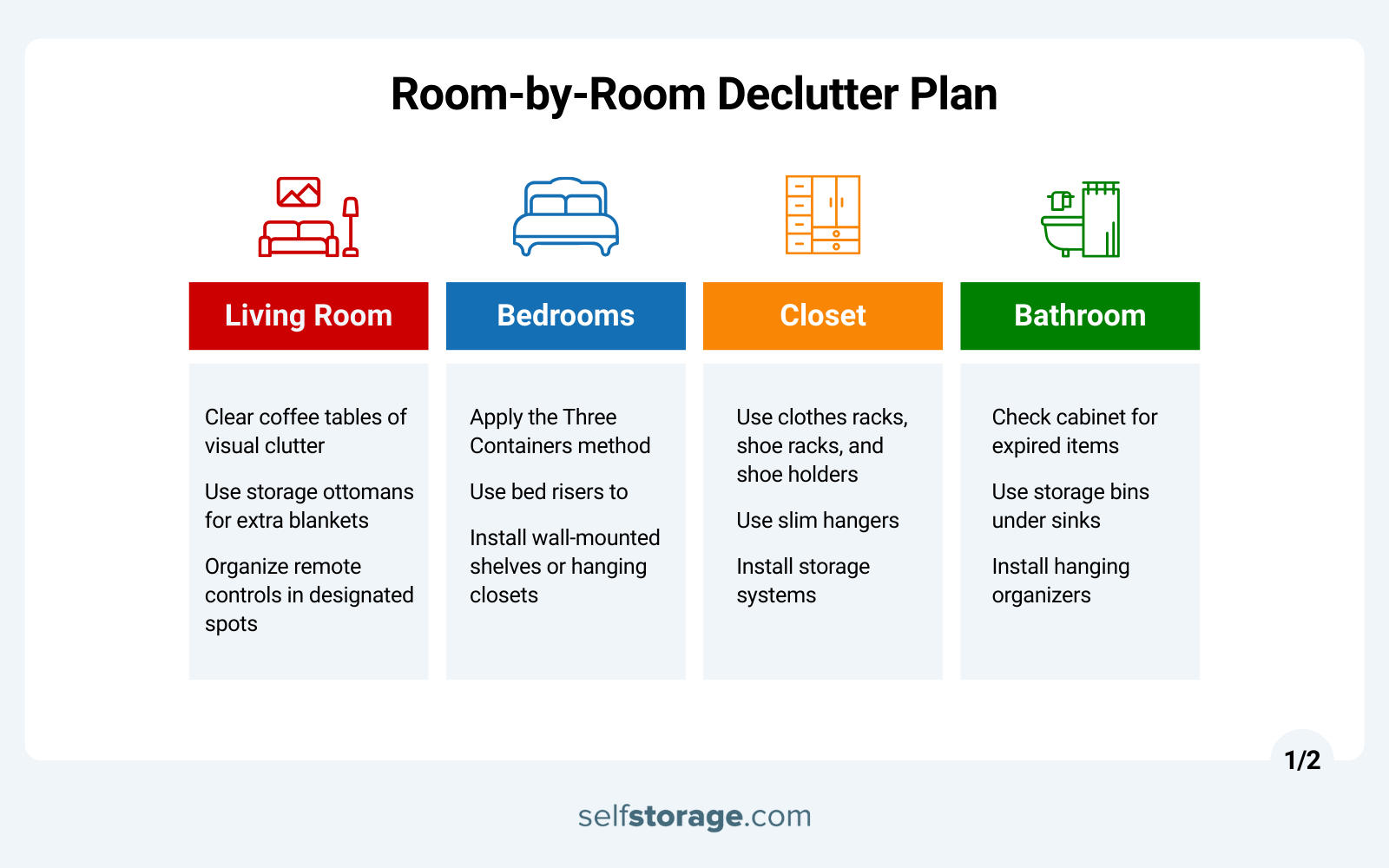
Each room presents unique challenges when determining what to keep when downsizing. Kitchens typically harbor the most duplicates and single-purpose gadgets. That drawer full of mystery utensils probably contains three can openers, two garlic presses, and a gadget you can’t identify but feel guilty discarding. Keep versatile tools that serve multiple functions while eliminating items that duplicate capabilities. One high-quality knife often serves better than a complete knife set, and a good blender might eliminate the need for separate smoothie makers and food processors.
Bedrooms require an honest assessment of clothing needs for your new lifestyle. That extensive business wardrobe might not serve a retirement lifestyle, while casual clothes become more important. Consider climate changes if your downsizing involves geographic relocation. Moving from a cold climate to a warm one eliminates the need for extensive cold-weather clothing.
Living areas often contain the most sentimental items: family photos, inherited furniture, books, and collections. Storage works well here, giving you time for emotional decisions without pressure. You might discover that a few carefully chosen representative pieces from a collection provide the same emotional satisfaction as keeping everything.
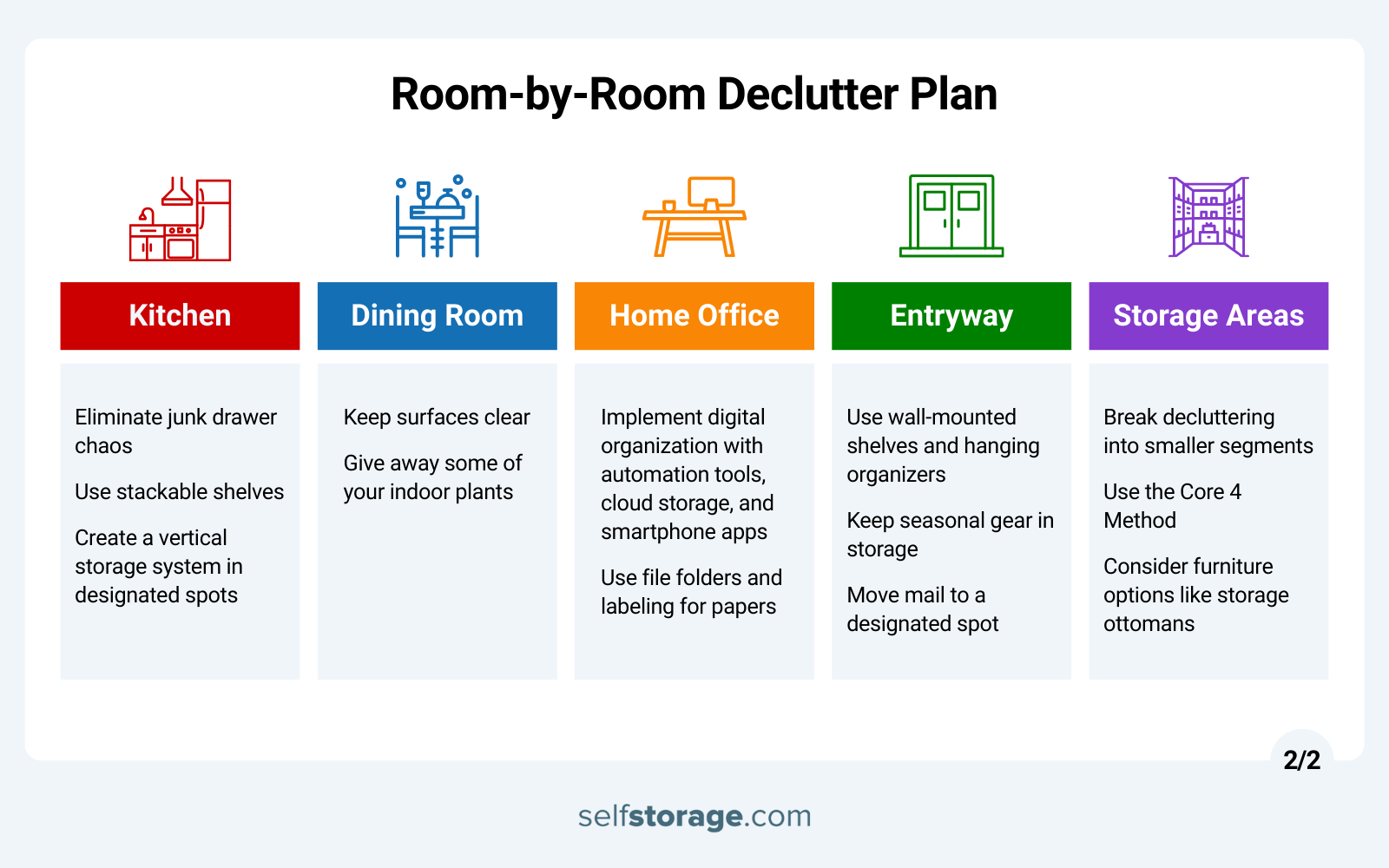
Home offices require careful evaluation of paper documents versus digital alternatives. Many records can be digitized and stored electronically, eliminating physical storage needs. However, some documents require physical retention for legal or tax purposes and merit secure storage.
Basements, attics, and garages often house the “someday” items that are easiest to eliminate. Exercise equipment that hasn’t been used in years, craft supplies for abandoned hobbies, and sporting goods for activities you no longer pursue can usually be released without regret.
The Emotional Journey of Letting Go
Downsizing involves more than just reducing possessions. It’s about transitioning to a new phase of life and often letting go of identities tied to certain belongings. The extensive cookbook collection might represent your identity as an entertainer, while the workshop full of tools reflects years of DIY projects and home maintenance.
You might find yourself holding a serving platter and remembering the dinner parties it hosted, or looking at golf clubs that remind you of Saturday mornings with friends. These moments of connection are real and valid. The items weren’t just functional. They were props in the story of who you were.
Acknowledge that grief for your possessions is normal and valid. These items have shared your daily space, sometimes for decades, witnessing birthdays, holidays, quiet Sunday mornings, and late-night conversations. Rushing through decisions to avoid emotional discomfort usually backfires with regrets and poor choices.
Focus on the positive aspects of your transition. Reduced possessions mean less maintenance, easier cleaning, and more time for experiences rather than managing belongings. Many people discover unexpected freedom in owning less and having fewer decisions to make about their possessions.
Create rituals around letting go of meaningful items. Take photos of items you’re releasing, write about their significance, or pass them on to specific people who will appreciate their history. These practices honor the role these possessions played in your life while freeing you to move forward.
Consider how your values might be evolving. The possessions that mattered during your career-building years might not align with your retirement priorities. Items that served your role as a parent might not fit your empty-nest lifestyle. This evolution is natural and healthy, not a betrayal of your former self.
Avoiding Common Downsizing Mistakes
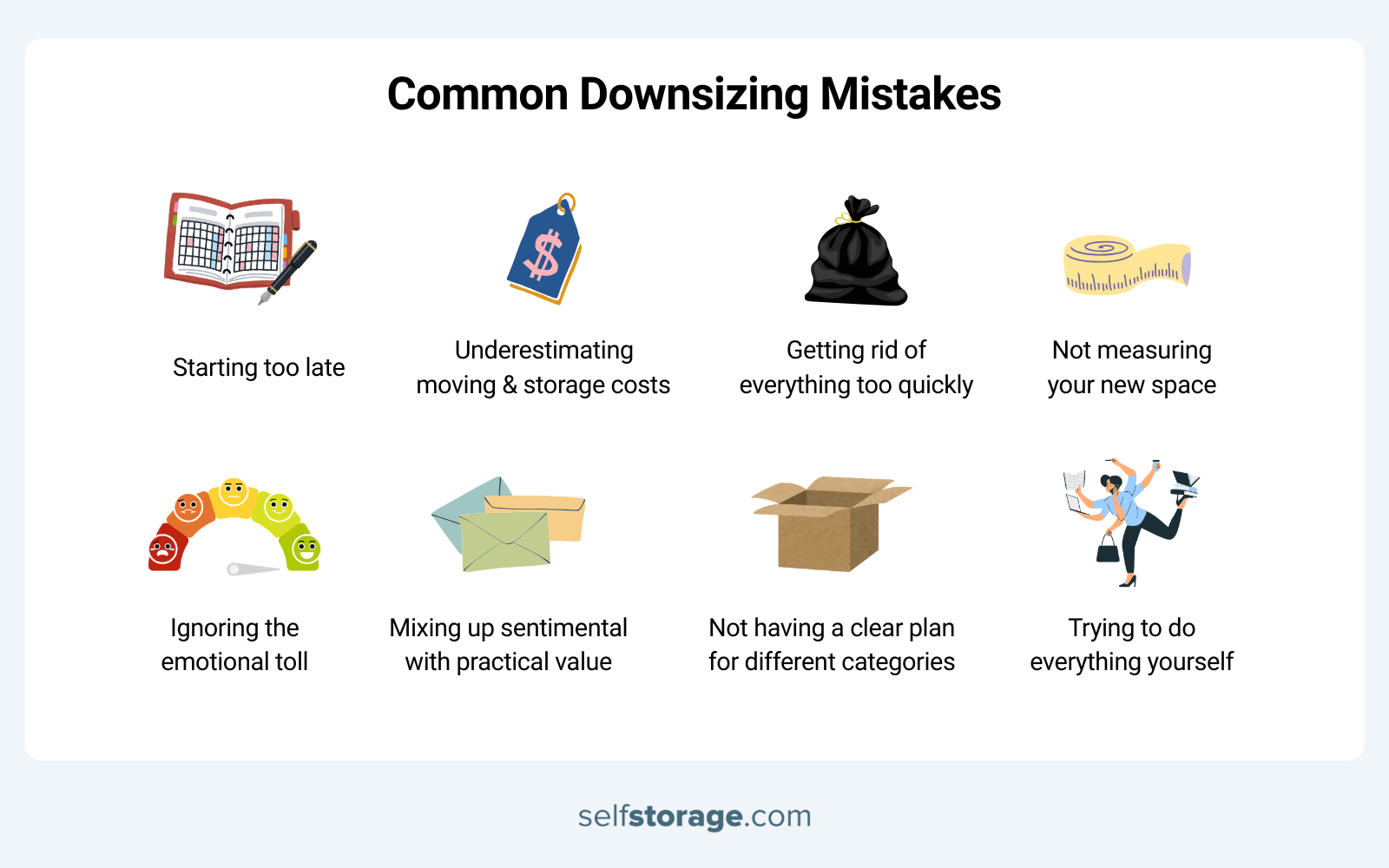
Many people make predictable mistakes during downsizing that can be avoided with awareness and planning. Rushing decisions due to external pressure (moving deadlines, family expectations, or financial constraints) can often lead to regrets about valuable items that were discarded hastily.
The opposite extreme, keeping too much out of indecision, creates different problems. If your new space becomes cluttered with items you don’t truly need or use, you haven’t achieved the benefits of downsizing. Err on the side of keeping less rather than more, especially since storage provides a middle ground for uncertain decisions.
Underestimating the emotional toll of constant decision-making can lead to mental fatigue and poor choices. Schedule the work in manageable sessions with breaks for other activities. Recognize that some days will be more emotionally challenging than others, and adjust your expectations accordingly.
Failing to research the value of potentially valuable items before donating them represents a missed financial opportunity. That “old” furniture or jewelry might surprise you with its current market value. A few hours of research can potentially save or generate hundreds of dollars.
Not considering the logistics of your chosen actions can create new problems. Selling large furniture requires coordination with buyers for pickup or delivery. Donation items need to reach the appropriate charities. Storage items need to be properly packed and organized for later access.
You’re Ready to Downsize!
Downsizing your home successfully comes down to thoughtful decision-making rather than deprivation or loss. The sell/store/keep framework provides structure during what can be an emotionally challenging process, helping you distinguish between possessions that truly enhance your life and those you’re keeping out of habit or fear.
Remember that downsizing is usually a gradual journey, not a one-time event. Most people don’t get it perfect on the first try. Using storage for transitional items allows you to make confident decisions without pressure, while the financial opportunities from selling quality items can offset the costs of your move and new living arrangements.
Maintain your streamlined environment with simple systems. Establish clear criteria for bringing new items into your reduced space. The “one in, one out” rule helps prevent gradual reaccumulation of unnecessary possessions. Schedule quarterly or semi-annual reviews to ensure everything still earns its place.
Focus on experiences over possessions when making future purchasing decisions. Many people discover that money spent on travel, dining, entertainment, and time with loved ones provides more lasting satisfaction than accumulating new belongings. That expensive kitchen gadget might promise convenience, but dinner out with friends creates memories that take up zero storage space.
Your smaller space can become a launching pad for new experiences and priorities rather than a constraint on your lifestyle. How to downsize your home effectively often reveals that happiness comes from the quality of possessions rather than quantity, and that freedom from excess belongings opens up possibilities you might not have considered.
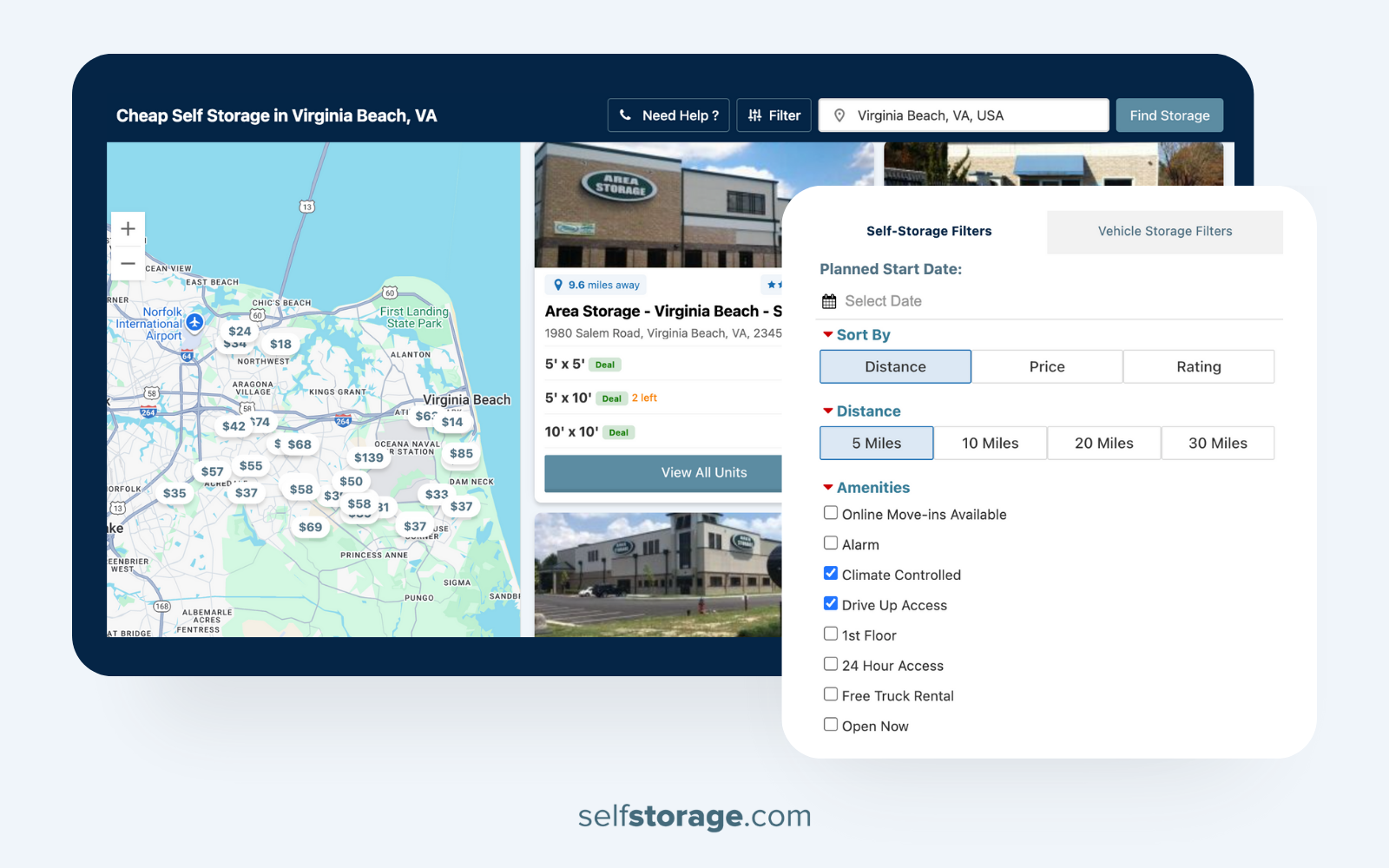
Ready to start your downsizing journey? Use SelfStorage.com to find storage facilities near your new home that can serve as your transition space, giving you the time and flexibility you need to make thoughtful decisions about your cherished possessions.