Article takeaways
- Always unplug your refrigerator at least 24 hours before storage to allow the freezer to fully defrost.
- Clean the fridge thoroughly inside and out and leave a bowl or box od baking soda inside to soak up any residual food odors or moisture.
- Never lay a refrigerator on its side during transport, as this can permanently damage the cooling system.
- Store your refrigerator in a climate-controlled, humidity-regulated self storage with the door open to prevent mold growth, odors rust, and pests.
- A properly cleaned and stored refrigerator can remain in storage in good condition for up to 10–15 years.
It doesn’t take an appliance expert to tell you that refrigerators are expensive. Sometimes they wear out with time and need to be replaced. And in those cases, the appliance shop will typically remove the old busted fridge for a small “removal fee” when they show up to drop off the new one you just purchased.
But in other situations, you’re removing a refrigerator that’s in perfect working order. Maybe you’re renovating your kitchen and need to store your fridge in self storage until the repairs are done.
Maybe you’re downsizing to a furnished home or traveling or moving abroad for an extended period. Regardless of the situation, there may come a time when you need to know how to store your refrigerator in a storage unit.
And since it’s one of the most expensive household appliances, you’ll want to take the correct steps to ensure your fridge comes out of storage as good as when it went in.
This article explains how to store your refrigerator in self storage. We’ll cover the necessary steps, the risks they aim to prevent, and the non-negotiable fridge storage space features.
And last but not least, we’ll reveal how to use our free selfstorage.com search tool to find a self-storage facility near you that has the amenities you’ll need to keep your fridge safe.

1) Empty the fridge
Your first order of business is to remove everything from your fridge. Take out all your cooked or raw food, food preparation, ready-to-eat foods, jars, water bottles, condiments, and so on.
You can use them by serving them all up in a big family-style dinner, store them elsewhere, give them away, or toss them out.
2) Unplug your refrigerator at least 24 hours before sending it into storage
Once you’ve emptied your fridge, unplug the electrical cord and disconnect it from your water supply. If you have a freezer compartment or an ice maker, you’ll need to let them defrost to room temperature. Keep a shallow drainage pan under the freezer to catch any water.
Be sure to drain all water lines after you unplug them from the water supply to prevent mold or ice particles from forming in humid environments or cold environments with freezing temperatures. Don’t forget to empty any ice or water dispensers.
3) Clean your fridge
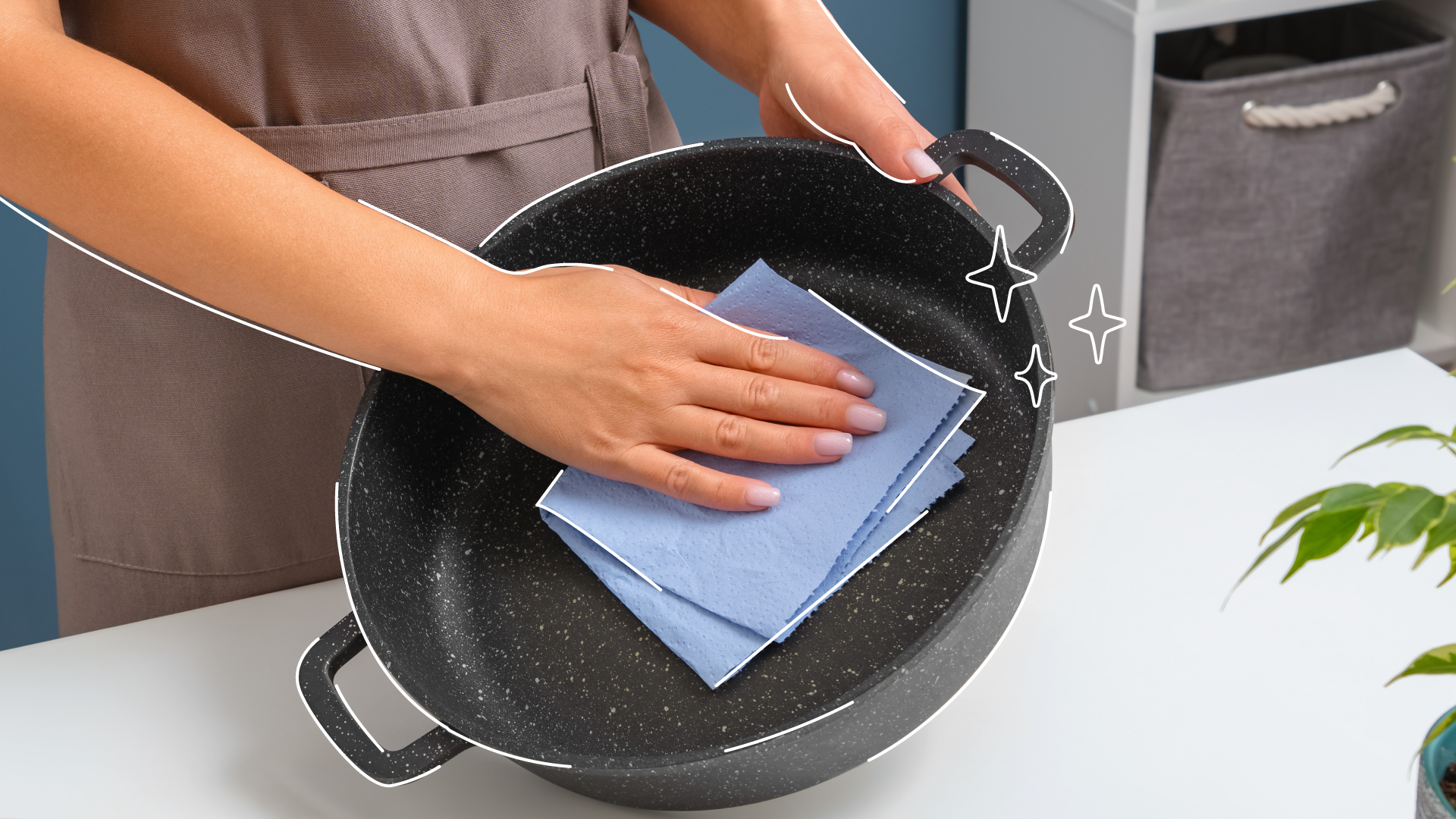
Once it’s fully defrosted, grab a sponge and cleaning products and clean your fridge until it’s free of all grime, residue, and food particles. Clean the surfaces with soapy water or a homemade baking soda cleanser. Or you can disinfect them completely with bleach.
Make sure to clean both the inside and outside of the appliance, and if you opt out of the bleach, make sure to at least use warm water when cleaning it. Once you’ve cleaned your refrigerator, wipe it down so it’s completely dry. Leave the door open to allow it to air out.
You can even put a container of baking soda, coffee beans, dryer sheets, or the leftover baking soda cleanser in the fridge to absorb any residual food odors. Just be sure to remove the baking soda before you move the fridge.
4) Secure the doors and wires and move the refrigerator
Secure the refrigerator doors with wire and tape it to the side of the fridge to reduce the risk of damage. Be sure the door seals and gaskets are all fully suncitonal and seal when you tape the door shut.
Your fridge will be stored unplugged until you’re ready to take it out of storage. Tape the door with masking tape as an extra precaution when transporting the appliance, but sure to open the doors once you get the fridge safely into the climate-controled storage space.
5) Prepare the fridge for moving
You’ll want to protect your refrigerator when it’s being moved on and off the moving truck. Wrap it well in moving blankets to prevent scratches and dings.
If you have hardwood or linoleum floors, you can slip some cardboard under your fridge. You don’t want to wreck your floors! If you’re moving the fridge yourself, have a friend on hand to help you get it onto a dolly.
6) Keep the refrigerator right side up
When moving your refrigerator, make sure to keep it upright. Never turn it on its side or upside down. This can cause your fridge’s internal components and cooling system and you’ll be down hundreds if not thousands of dollars trying to replace it.
7) Find a safe place to store your fridge
From everyday people to catering chefs to restaurant chefs, to home cooks, lots of us have an extra fridge that still works but that we lack space to store at home.
And attics, garages, basements, and sheds often lack the temperature, moisture, humidity, and climate control that will keep your refrigerator safe from mold and mildew, rust, oxidation, and pests.
In fact, risks like mold growth and rust formation can destroy not just the fridge you keep in the garage, but your kitchen knives and cooking utensils, pots, Dutch ovens and cast Iron skillets.
But extra refrigerator storage space is hard to come by these days, whether you’ve simply upgraded your fridge, downsizing your home or moving in with a friend or relative.
Whether you’re looking for temporary, short-term storage or needing long-term storage for your cast iron pans, self-storage may be the solution you’re looking for. That said, not just any old storage unit will do.
For starters, you definitely want to opt for a climate-controlled self-storage unit.
Your self storage unit should be free from dampness, mildew, and mold growth. Any moisture will cause mold in your fridge. Storage facilities do offer humidity-controlled storage units – these are the best options when it comes to storing a refrigerator long term.
Once your fridge is in place inside the unit, open the doors. Keeping the doors open is key to avoiding mold and unpleasant odors.
Climate control is particularly important for long-term storage or if you live in an area with extreme temperatures or high/low humidity.
Self storage comes in various unit sizes, which you can view on our storage size guide, with a ceiling height average of 8-10 feet tall. An even more ideal option to store a refrigerator is to take advantage of the vertical storage space.
If you’re also storing pans and cooking utensils, you can store them on shelves on the opposite side on the self storage space from your fridge, giving yourself a middle path to access both as needed. Shelves ensure your cooking supplies are exposed to the climate-controlled airflow.
But how do you find a self storage unit that has the exact amenities you need and is the ideal size, but is also conveniently located by your home, restaurant, or catering commissary kitchen so you’re not running across town when you finally find a use–or buyer–for that old fridge?
That’s where we come in.
How To Store a Refrigerator in Self Storage Using SelfStorage.com
When cleaned and stored properly, a refrigerator can be kept in storage for 10 to 15 years. Following these storage tips can help ensure your fridge remains in top condition for as long as possible.
Whether you’re storing your refrigerator short-term or long term, when it comes to prvenetiong mold growth, climate controlled storage units are the way to go. Renting self storage may seem like a splurge, but it’s worth it for protecting one of your most essential kitchen investments.
That’s where SelfStorage.com can swoop in and save the day.
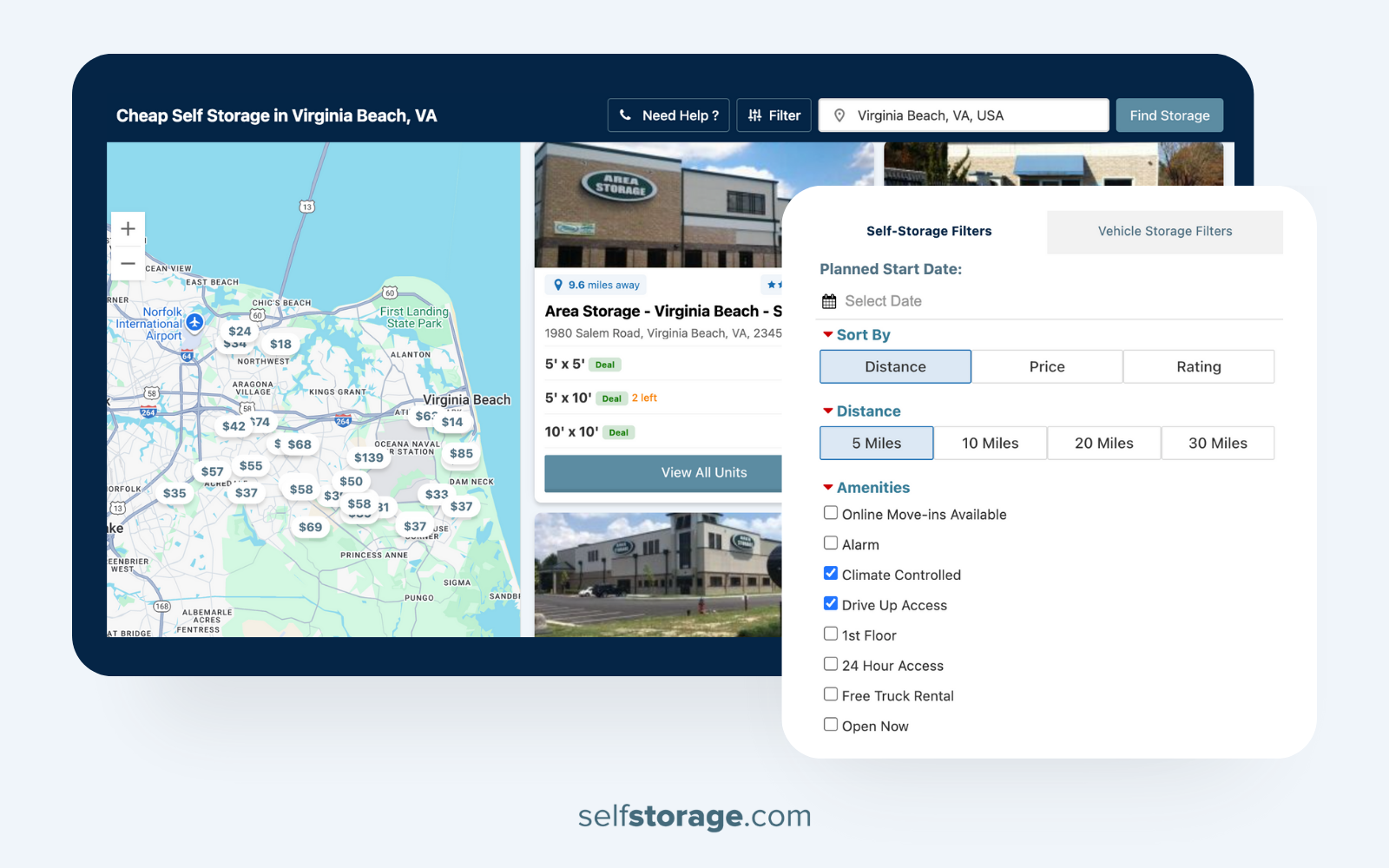
Just punch your zip code into our easy-to-use storage search tool and select your ideal unit size and the security features and non-negotiable storage amenities. Our signature amenity filter will isolate the results to units in your area that have exactly what you need.
And if you need a little extra support, our helpful storage experts are standing by at (835) 534-5602. All you need to do is choose your ideal unit and your move-in day, and we’ll take care of the rest!