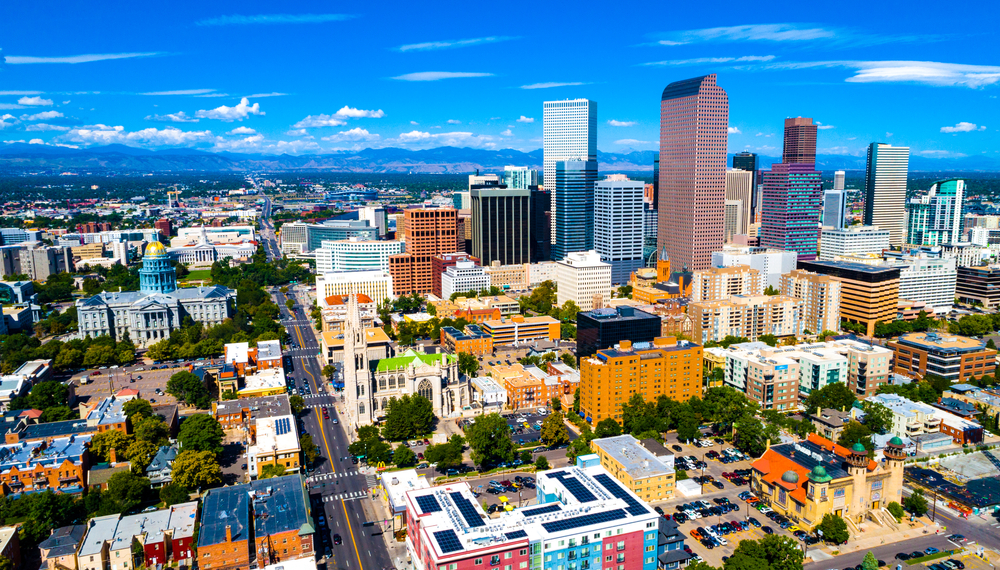
The city of Denver, Colorado, describes itself as a place “where urban sophistication meets outdoor adventure,” and there’s plenty of evidence to back up that claim. Colorado’s capital gives outdoor enthusiasts access to an amazing ski season, hiking, kayaking, and other outdoor excursions; residents who prefer more urban activities will enjoy a walkable city full of visual and performing arts, a booming music scene, great breweries and restaurants, museums, and six professional sports teams.
The “Mile High City”, so named because it sits one mile above sea level, offers plenty of opportunities for new residents of all walks of life. Here, we’ll go over a few things to know if you’re planning to move to Denver, from culture to climate and everything in between.
Arts and entertainment
The view from Denver is a work of art all its own. Located in the South Platte River Valley just east of the Rocky Mountains, the city is backdropped by a mountain panorama that stretches 140 miles and features 200 named peaks.
The mountain landscape isn’t the only art worth seeing, though. Denver is frequently named as one of the best places for millennials to live, partly due to its thriving arts and cultural scene. There’s no shortage of hot music spots, museums, fun breweries, local shops, and amazing street art.
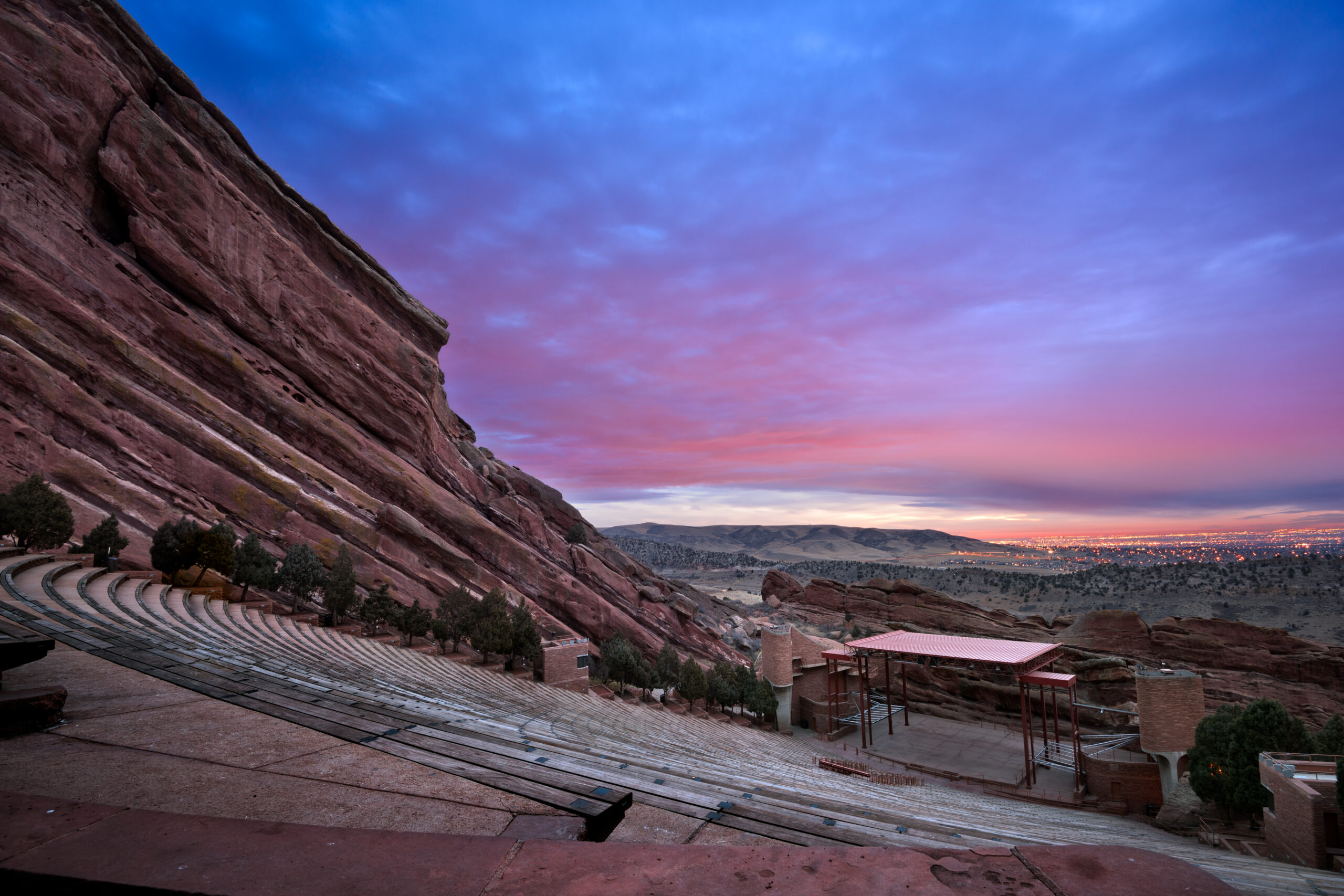
Denver is home to the historic and popular Red Rocks Amphitheater, where legendary musicians of all genres play massive concerts in the beautiful outdoor landscape. If indoor shows are more your speed, catch an upcoming show at Fillmore Auditorium, a former roller rink turned concert venue. Visual art and architecture lovers have plenty of experiences available as well, such as touring the landmark Denver Arts Museum and its steel-framed Hamilton Building.
Jobs and careers
While the booming Denver population has led to a rise in the cost of living, slowing growth a bit, the city continues to add tens of thousands of jobs annually in a diverse array of industries, including tech, finance, health, aerospace, and marijuana.
Since its legalization over ten years ago, the cannabis industry has been a major driver of the Denver economy, annually pumping in hundreds of millions of dollars and offering many dispensaries and research jobs. Tech jobs are a growing industry as well, with Denver coming in 14th in CBRE’s 2025 report of the top 50 tech job markets in the U.S. Other large companies with a presence in the city include DaVita, RE/MAX, the Boeing Company, and Lockheed Martin.
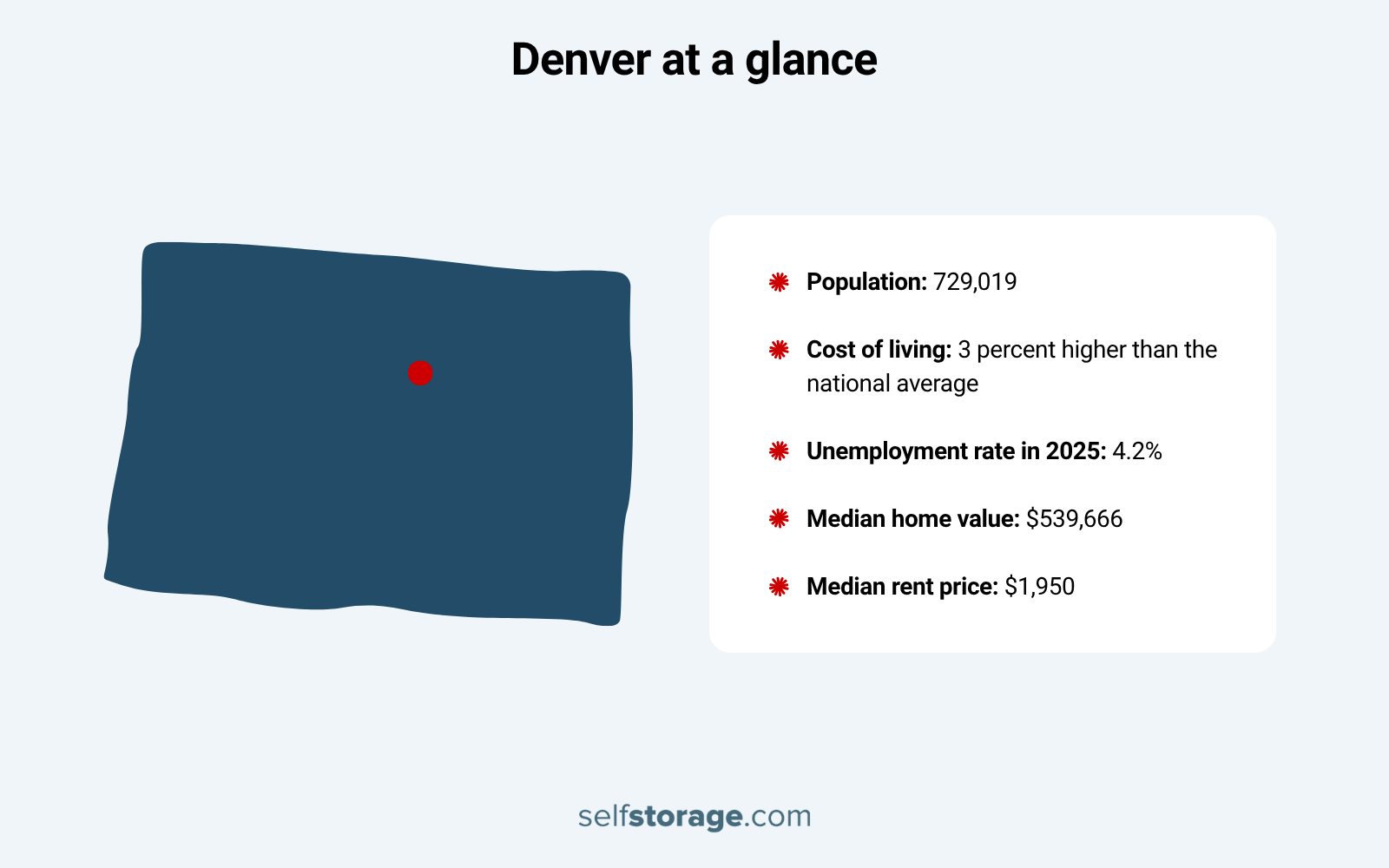
As of January 2026, the unemployment rate in Denver is 4.2 percent, slightly lower than the national average.
Cost of living and housing
Inflation has increased Denver’s cost of living just as much as anywhere else in the U.S., but a steady influx of new residents has also raised the price. Colorado is one of the fastest-growing states in the U.S., and Denver has seen a population increase of over 1 percent annually for several years now, even throughout the pandemic.
Despite all this, Colorado’s cost of living is only 3 percent higher than the national average, and workers are paid rather well. According to the 2024 census, the median household income in Denver was $94,718, more than $10,000 above the national median income at the time.
Well-paying jobs are necessary in Denver, as home prices can get pretty high; they’ve significantly dropped in recent years, however. According to Zillow, the typical home value in Denver was $539,666 as of February 2026, down 4.3 percent from the same timeframe a year prior. However, more than 60 percent of homes sold were under list price, making it easier for potential homeowners to save on their dream house.
For those looking to rent, Zillow averages Denver’s 2026 median rent price at $1,950, a $150 drop compared to the previous year. The early-2020s rent price surge has leveled off and even decreased in recent years, giving potential new residents a bit of a break.
Neighborhoods and lifestyles
The Mile High City offers 78 official neighborhoods (and many more unofficial neighborhoods), giving you a place to belong no matter what your lifestyle or interests may be. Each neighborhood has its own look, feel, and types of attractions; some are perfect for students and young professionals seeking fast-paced nightlife, while others are full of greenery and trails for those who prefer a quieter lifestyle.
Here are five of Denver’s most prominent neighborhoods worth checking out:
Capitol Hill
One of Denver’s oldest neighborhoods, Capitol Hill features many late-Victorian era mansions that have been converted to apartments, condos, and townhomes. This area is considered affordable, despite its stately architecture, and is loved by new and long-time residents alike.
Lower Downtown
It may not be an officially defined neighborhood, but Lower Downtown deserves mention for its vibrant nightlife and popular attractions, such as Larimer Square and Coors Field. This area comprises parts of the Union Station and Five Points neighborhoods, and is perfect for those seeking the big-city, high-rise living experience.
Lower Highland (LoHi)
Lower Highland, or LoHi, is another unofficial neighborhood that gives residents a family-friendly, quiet place to make their home. It’s one of the most expensive areas in the city, but in exchange you’ll get some of the most beautiful views and the best dining in Denver.
River North Art District (RiNo)
Thanks to recent redevelopments, the River North Art District, also known as RiNo, offers everything from music venues to art galleries built in repurposed old warehouses. You’ll also find many trendy coffee shops and local restaurants here, making the area perfect for art lovers, foodies, and lovers of nightlife.
Washington Park
If you’re looking for a compromise between city life and suburban quiet, Washington Park is the place to go. It’s one of Denver’s safest neighborhoods where you can find plenty of single-family homes, and its namesake park features biking trails, lakes, and an expansive lawn.
If none of these strike your fancy, here are five more neighborhoods to look into:
- Sunnyside
- Golden Triangle
- Central Park (formerly known as Stapleton)
- Five Points
- Cherry Creek
Traffic and transportation
Traffic in Denver can be heavy during morning and afternoon rush hours, thanks to the growing population and the many eager skiers heading to and from the slopes on the weekends. However, the city offsets this with high walkability and a bike-sharing program called B-cycle, offering 88 stations where you can rent a bike to get around the city easily.
Denver also offers an extensive public transportation system, including a public bus system and a light rail line, which can get passengers from downtown Union Station to Denver International Airport (DIA) in under 40 minutes. With 12 rail lines extending 113 miles and 78 stations to hop on and off, you can easily avoid traffic and get wherever you need to go in record time.
Education and school systems
Denver is often considered a laid-back and unpretentious city, but it’s also regularly listed as one of the most educated cities in the U.S., ranking 11 out of 150 evaluated in 2026 by WalletHub. About 59 percent of residents hold a bachelor’s degree or higher, with 24 percent having obtained a post-grad degree.
If you’re bringing a family to the area, Denver has 157 public schools and 22 private schools, ensuring your kids will get a good education. The city and its surrounding metro area are also home to several universities and colleges, including the University of Denver and University of Colorado, Denver.
Weather and climate
Just east of the Rockies and right in the middle of Hail Alley, Denver’s weather can vary significantly. Outside of a steady summer, it’s not unusual to go from snowflakes to 70 degrees and sunny, making it a must to bring a variety of layers to wear.
If you like snow, you’re in luck; Denver is one of the country’s snowiest big cities (population of over 500,000). You’ll have plenty of variety, however, as the city also enjoys 245 sunny days every year with temperatures in the winter sometimes reaching up to 60 degrees. Summers are hot but not humid, and snow doesn’t stick around for too long when large snowstorms hit.
Be prepared for Denver’s altitude if you aren’t used to it, however. The Mile High City comes with mile-high thin air, meaning you may need some time to adjust to the climate before you begin your outdoor treks. If you’re moving there and your items need to adjust as well, you may want to look into climate-controlled storage to protect them from any sudden environmental shifts.
9 more things to do in Denver

Whether you’re just visiting or planning a big move, here are nine more experiences you can only get in Colorado’s capital.
- Experience fine dining and great shopping in Larimer Square.
- Hike the trails at Red Rocks Park or catch a touring band at the amphitheater.
- Visit the Denver Botanic Gardens to relax with a beer or have a picnic.
- Take a train or bus ride from Denver’s Union Station.
- Visit Convergence Station, a surreal and unique interactive art installation by the Meow Wolf collective.
- Stop by RiNo’s Zeppelin Station for a good meal or drink.
- Spend a day at the Kirkland Museum of Fine and Decorative Art.
- Catch a Broncos game or take a tour at Empower Field at Mile High.
- Take in a Rockies game at Coors Field or grab a beer and a beautiful view at the Rooftop.
If Denver is on your list of dream places to move, we hope this article has helped convince you! When you’re ready to relocate, use our built-in search tool to find affordable storage and moving services in the Colorado area.



![The Best States to Retire: Top Destinations for Every Lifestyle and Budget [2026 Update]](https://www.selfstorage.com/blog/wp-content/uploads/2026/01/old-couple-on-a-boat.png)