Article takeaways
- Moving trucks suit tight timelines and budgets, while portable containers offer flexible, self-paced packing and unpacking.
- Truck rentals cost $20–$1,900+, depending on distance while containers run $150–$4,000+, with fuel and insurance potentially extra.
- Containers eliminate the stress of driving a large vehicle, as the company handles all transportation logistics.
- Moving trucks offer more size options and can tow vehicles, while containers are better for integrated storage needs.
- Both options provide security features like locs and weather-resistant steel frames, but containers offer ground-level loading for added protection.
No matter how much planning you do, moving is never simple. First of all, it’s often marked by a life event. And even if the feelings about the change are all positive, there’s the logistical side of things, starting with the most basic, yet most intimidating choice: how will you transport your belongings?
Whether you’re in the midst of a local move or a cross-country long-distance move, the traditional moving truck is a viable solution. But now there’s a new kid in town: the portable storage container, offered by brands like U-Haul or PODs.
While both options offer flexibility, they also present different approaches to the moving process.
The choice of moving trucks vs moving containers isn’t a one-size-fits-all decision. Your unique circumstances, budget, timeline, and personal preferences will dictate which option best suits your particular moving needs.
But if you’re on the fence about which is the more convenient or affordable option, you’ve come to the right place. We’re here to help you make an informed decision by offering the pros and cons of portable moving containers or PODs vs moving trucks.
We’ll cover the costs, conveniences, and security features of both. We’ll also dive into the nitty-gritty of how they each impact your moving costs and help you determine the ideal moving method for your upcoming transition.
Last but not least, we’ll reveal how SelfStorage.com can help you find the moving company services you need, including portable moving containers and truck rentals.
Moving Truck Rentals vs Portable Moving Containers
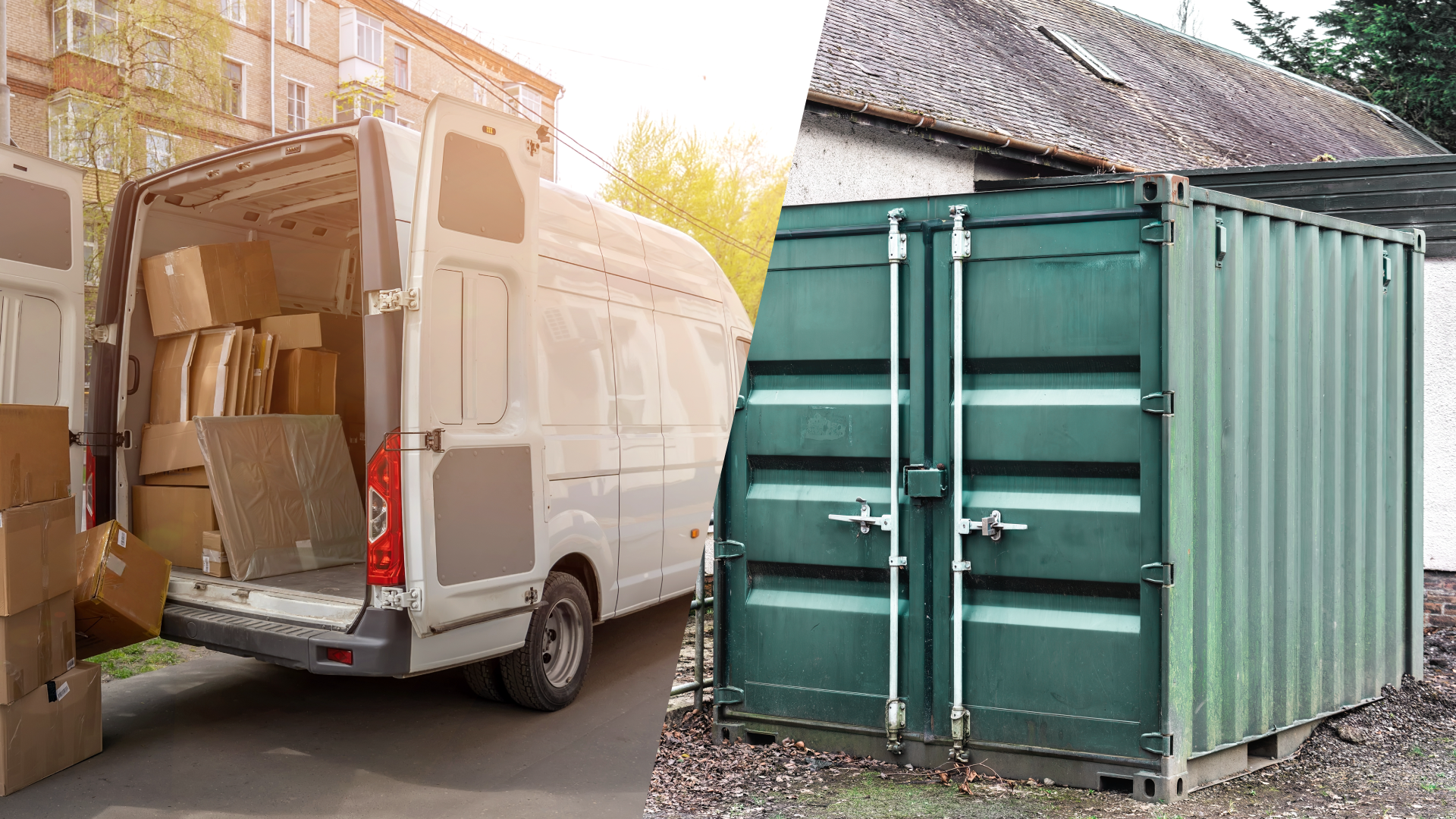
Portable storage containers help make moves smoother. Moving containers are large containers delivered right to your doorstep, allowing you to pack at your own pace, streamlining the entire process.
Once everything is loaded up, you can store the container in a secure storage facility or transport it to your new home or business.
On the flip side, renting a moving truck requires you to pick up the vehicle from a truck rental agency, load it yourself (unless you’ve decided to hire professional movers), and drive it to your new destination.
Let’s take a look at some specifics.
| Features | Portable Storage Container | Moving Truck |
|---|---|---|
| Delivery | While container availability is a factor, once you’ve finished the booking process, your container will arrive via hassle-free delivery straight to your location with a delivery date guarantee (some weekend restrictions may apply). | You pick up the truck, and the delivery date/time is up to you. The delivery date guarantee depends on how many trucks are available and whether or not the moving trucks in your area suffer from limited availability. |
| Driving | The rental company does the drop-off and pick-up/ delivery. | You pick up the truck from the truck rental agency and do all the driving yourself. |
| Sizing | Container sizes vary by portable container company. Sizes of containers include 8-foot containers, 10-foot shipping containers, 12-foot containers, and 16-foot containers. | Multiple moving truck sizes – U-Haul, for instance, has pick-up trucks and vans along with 10, 15, 20, and 26-foot trucks. |
| Storage | Thirty days is usually the base time length, but you’ll have the option of longer rentals. | No options available. |
| Parking | You’ll need to check with your local area to see if dropping a moving container in your front yard or driveway is permitted. | Not an issue, as moving trucks are usually street legal. |
Using a portable moving container allows you to embark on the packing process at your own pace. And once you get where you’re going, you can conduct the unpacking process without being rushed.
Plus, they provide the option of temporary storage, keeping your items safe until you need them again.
On the downside, the size options are limited, and you may have to apply for a permit to park on the street. In contrast, moving trucks offer more size options, allowing you to adjust the rental to suit the volume of items you’re transporting. Moving trucks can be parked almost anywhere.
Portable Moving Container Costs vs Truck Rental Costs
When it comes to planning a move and making rental decisions, cost plays a crucial role for many individuals. To help you find the most cost-effective solutions that fit your needs, let’s break down what you can expect regarding expenses when renting a portable storage container versus a moving truck.
Moving Truck Rental Costs
The price of truck rentals is highly variable, depending on the size of the truck, the distance of your move, and the duration of your rental. For a local move, renting a truck suitable for a one-bedroom home might range from $20 to $200, depending on the provider and specific needs.
But for long-distance moves, the costs can escalate rapidly, often falling between $800 and $1,900 or more. In addition to the day rate, you’ll also need to factor in fuel costs and mileage fees.
- For instance, a 26-foot moving truck consumes considerable fuel, and gasoline costs can fluctuate, impacting your overall moving budget.
- Moving supplies like moving blankets and dollies aren’t always included in truck rentals, and can add to the final price.
- And if your long-distance move requires overnight stops, you’ll need to budget for food and lodging.
Portable Moving Container Costs
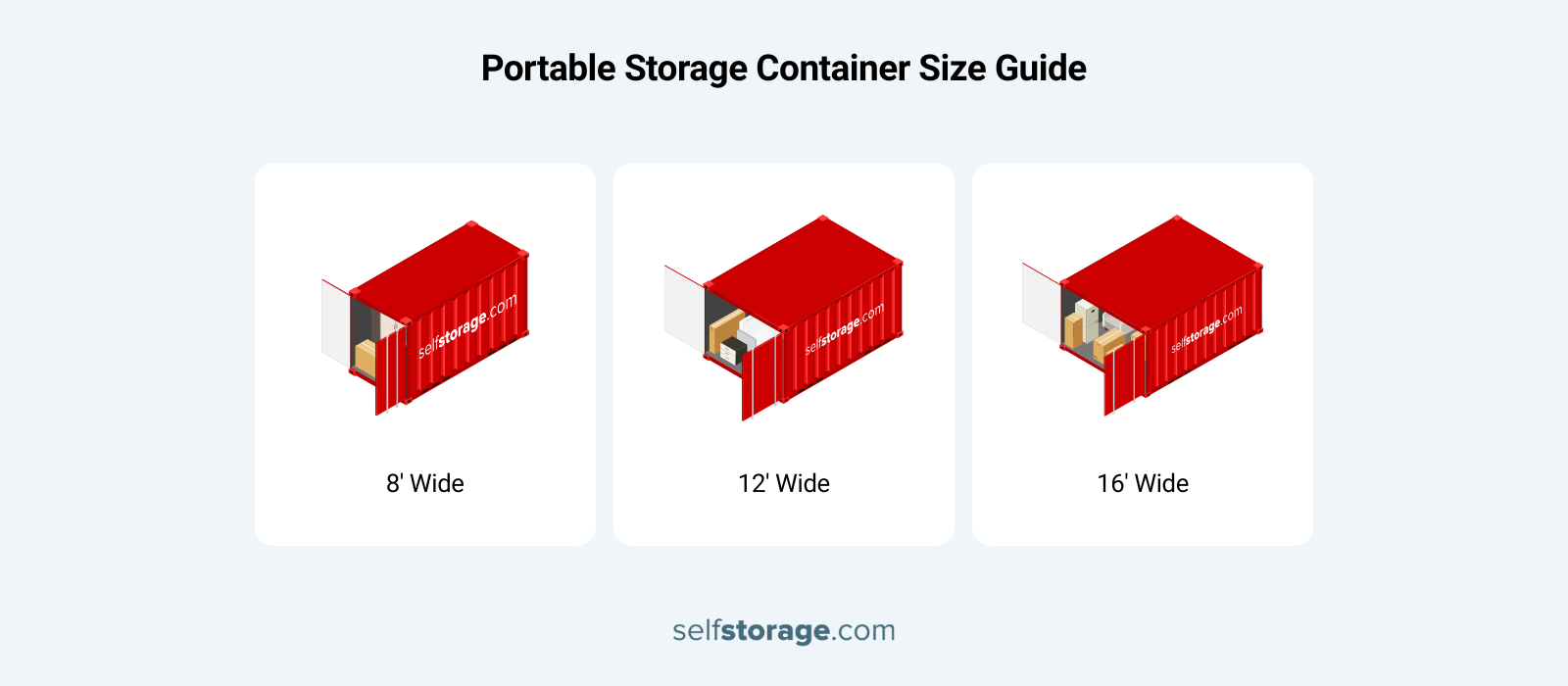
Like moving trucks, the cost factors involved in moving a portable storage container vary depending on distance, the materials used to construct the container, the container size, and the duration of your rental.
- A smaller, 8-foot storage container will be less expensive than a larger, 16-foot all-steel unit.
- For a local relocation, renting a container might cost between $150 and $600. But using a portable moving container for a long-distance move can cost from $1,200 to $4,000 or more.
- And depending on what company you use, these quotes may or may not include fuel costs for container transport.
Container rental services offer flexible rental periods. You can use portable container storage services, which can be added for short-term or long-term needs, with pricing varying based on the storage duration.
You’ll want to make sure that insurance is included in your quote, or if you need to budget for moving insurance separately.
Tips On Cutting Cost Factors
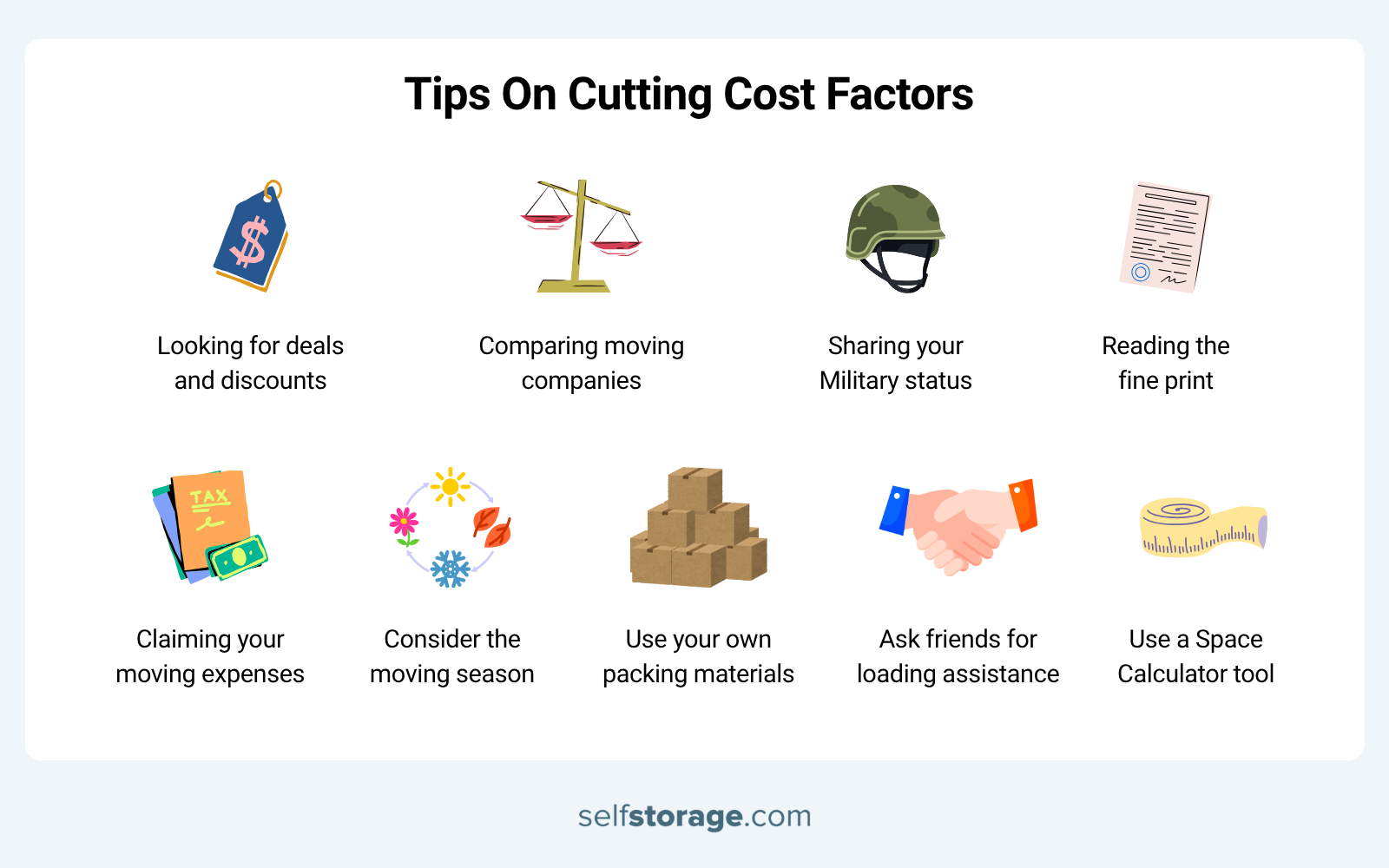
You can cut down your moving expenses by implementing the following cost-effective solutions:
- Looking for deals and discounts. Even if you don’t see anything advertised, always ask.
- Comparing moving companies. Shop around and compare moving quotes from multiple providers, both for truck rentals and storage container rentals.
- Sharing your Military status. Many companies offer discounts for Military personnel and veterans.
- Reading the fine print. Reading the fine print of rental agreements is crucial to avoid unexpected hidden fees, such as late return penalties or excessive cleaning charges.
- Claiming your moving expenses. Moving expenses can be tax deductible depending on the expenses you have and how you file them.
- Consider the moving season. Prices for both services can be higher during peak times.
- Use your own packing materials and ask friends for truck or container loading assistance to cut down on labor costs.
- Use a Space Calculator tool. Online tools offered by some container companies can also help you select the most appropriate container sizes, so you’re not overpaying for more space than you need.
Ease of Moving: Truck Rentals vs Portable Moving Containers for Convenience
The convenience factor is often a deciding element when comparing portable storage containers and traditional moving trucks. Each offers a distinct approach to streamlining the moving process, catering to different preferences for pace and control.
Opting for a moving truck often appeals to those on a tight schedule or who prefer to complete their move within a concentrated timeframe. With a rental truck, you typically pick it up on moving day, pack the truck with your belongings, drive directly to your new destination, and return the truck.
Moving trucks can eliminate the need for storage fees, minimum rental periods, or delivery time constraints. The truck method can expedite the process, especially for local moves, as you’re not waiting for a container to be delivered or picked up.
Plus, many rental trucks offer the capability of towing your car using an auto-transport trailer, consolidating your entire relocation, including your vehicle, into one logistical operation. A rental truck gives you more direct control over your possessions from start to finish can provide a sense of security and efficiency.
On the other hand, portable moving containers offer the convenience of conducting the packing and unpacking process at your own pace. You can have the container delivered to your home weeks in advance, allowing you to pack gradually at your own pace without the pressure of a ticking clock.
Once loaded, you can opt to have the container stored at your current location or a storage facility while you prepare your new home, or have it transported directly.
Not having to drive and park a large, cumbersome moving truck is a major selling point for lots of moving container customers. Navigating unfamiliar roads or worrying about parking a box truck in a small town adds to the already stressful moving situation.
A portable storage container is essentially a storage unit delivered right to your doorstep, offering additional storage solutions before and after your moving day. For example, if you’re selling your house before you move, you can have the container delivered early and use it to store furniture while you clean or renovate your home.
A moving container can also serve as a storage option while you declutter and clean your living space before you start packing.
Security: Storage PODS vs Moving Truck Rentals
Whether moving across town or the country, you want to know that your household goods are safe and secure. Both storage pods and moving rental truck companies offer security measures to protect your belongings, but they operate on different principles.
Portable Storage Container Safety and Security:
- Portable storage containers are often constructed from durable materials like steel frames and are built to withstand various weather conditions.
- Companies like PODS, Zippy Shell, and UNITS offer weather-resistant containers equipped with lockable doors.
- The container remains in one place while you load it, and then is transported by a dedicated shipping company or moving provider, meaning your items are typically only accessed by you or the professional moving companies handling the transit.
- Ground-level loading also enhances safety by reducing the risk of accidents, drops, injuries, and moving stress during the loading process.
- The enclosed nature of a steel-framed container offers a secure, contained environment for your possessions.
Moving Truck Rental Safety and Security:
- Moving trucks are equipped with safety features like padding, moving blankets, security straps, and padded compartments.
- If you opt for professional assistance with loading, professional movers are trained in proper packing and securing techniques
- Professional drivers who are trained in road and truck safety (if you are driving, check the vehicle regularly and drive with extreme caution).
- Reputable moving companies that offer rental trucks conduct regular maintenance checks on trucks to ensure the vehicles are in good running condition during the move.
Whichever one you choose, you can rest easy knowing both pods and moving trucks offer reliable safety and secure moving solutions.
Make An Informed Moving Decision
Choosing between a moving truck and a moving container hinges on a thorough assessment of your individual needs and priorities. By weighing the distinct advantages and disadvantages of each, you can confidently select the moving method that best aligns with your moving budget, timeline, and desired level of convenience.
A Moving Truck Is the Best Moving Option When:
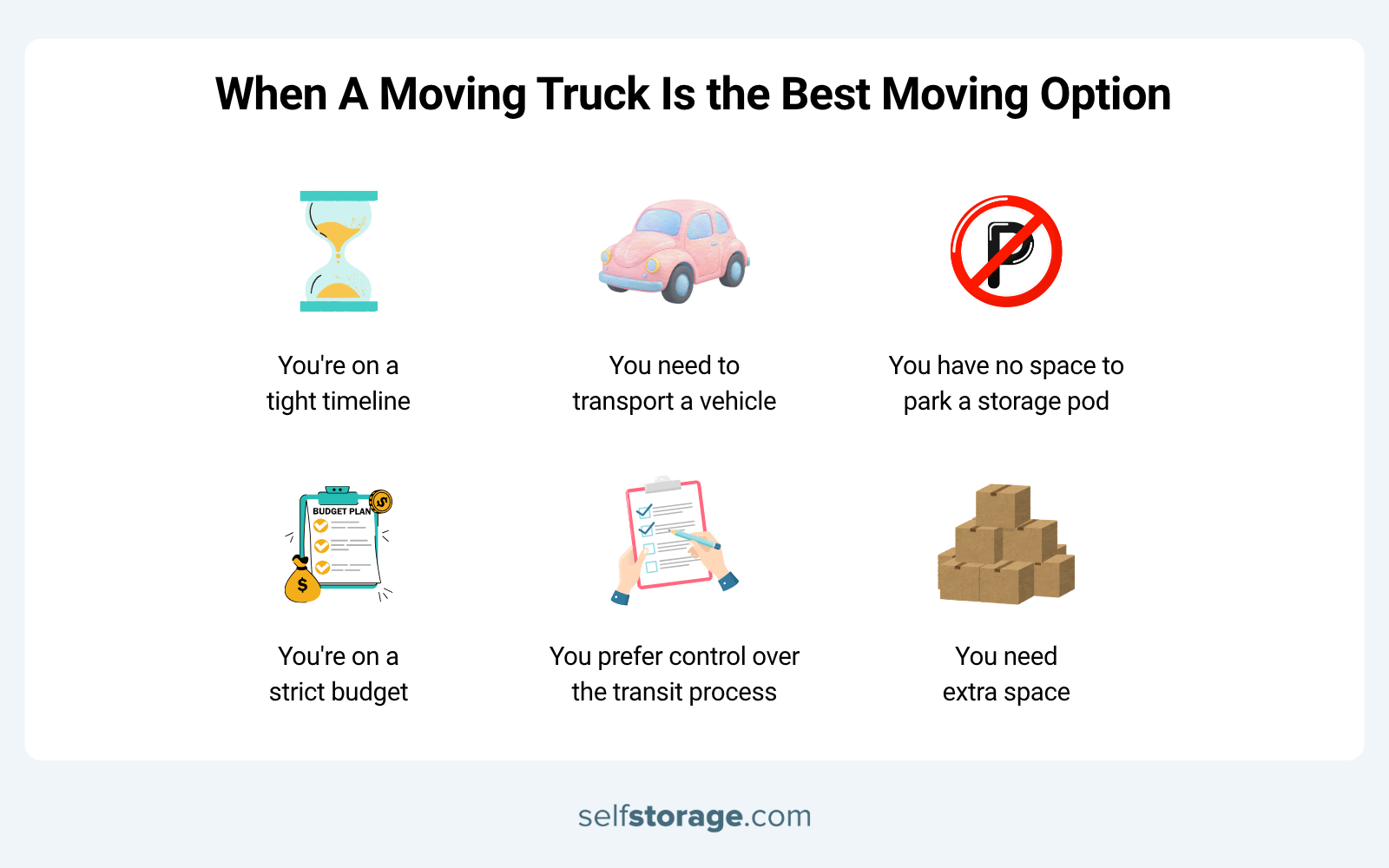
- You’re on a tight timeline: If you need to move quickly and can dedicate a short, intense period to packing and loading, a rental truck allows for immediate departure and arrival.
- You need to transport a vehicle: Rental trucks offer the ability to tow cars, consolidating your move. Services like Mr. Car Shipper might be need to be considered separately if using moving containers.
- You have no space to park a storage pod: Some residential areas or HOAs have restrictions on where portable storage containers can be placed. A moving truck is typically only on your property for the loading/unloading period.
- You’re on a strict budget: For many local moves, especially those involving fewer rooms, a rental truck can offer a lower upfront cost, provided you carefully manage fuel costs and other potential add-ons.
- You’re moving the contents of a large home and need extra space: The largest rental trucks (e.g., 26-foot box trucks) offer substantial cargo volume, which can be more economical than multiple smaller containers for extensive moves.
- You prefer complete control over the entire transit process: Driving your own moving truck provides direct supervision of your belongings from pickup to drop-off.
A Storage Pod is the Best Moving Option When:
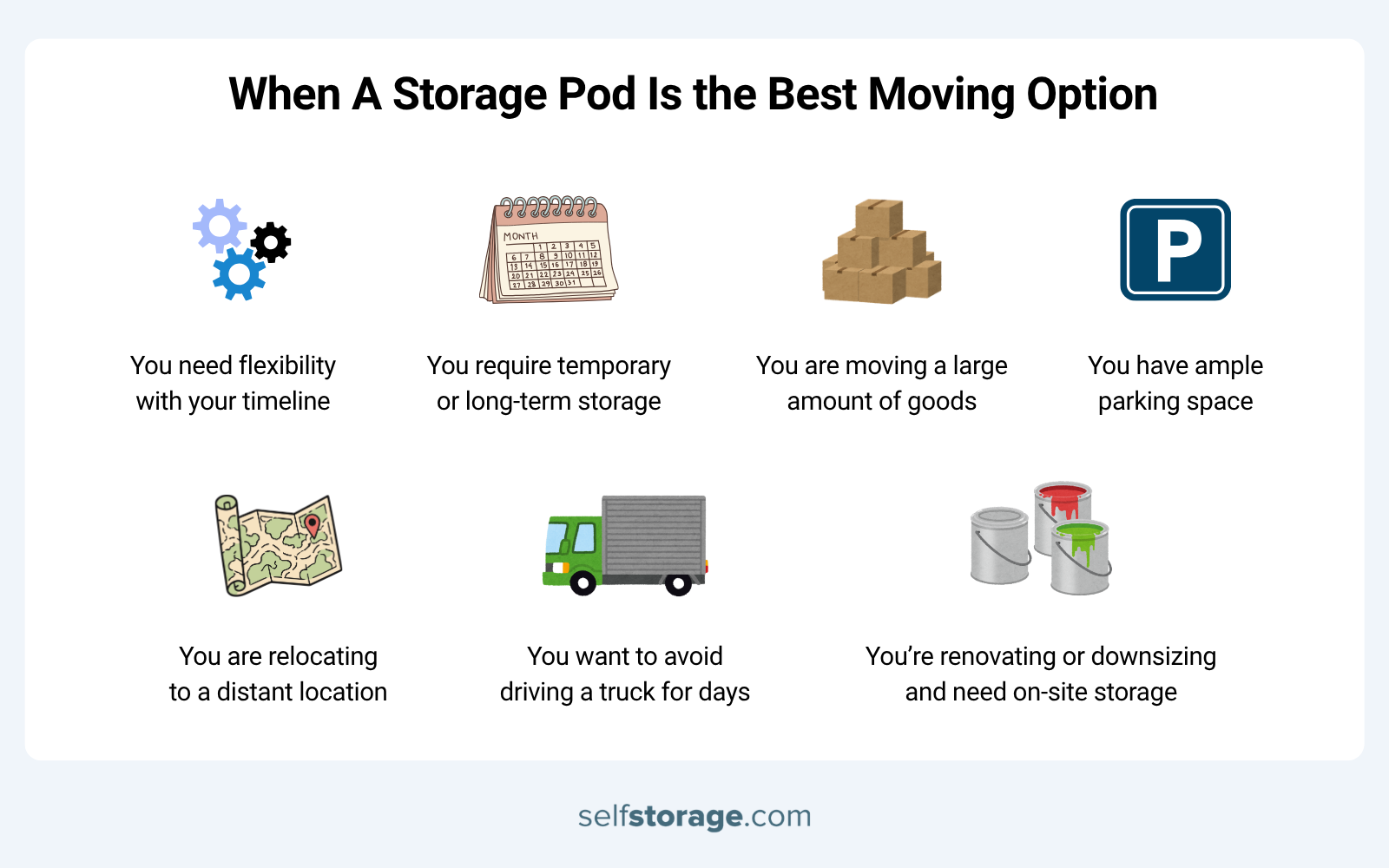
- You need flexibility with your timeline: Portable storage containers allow you to pack and load over days or even weeks, accommodating busy schedules and reducing stress.
- You require temporary or long-term storage: Containers are ideal if you need to store your belongings between moves or before unpacking at your new home, offering integrated storage solutions.
- You prefer not to drive a large truck: Eliminating the need to drive a cumbersome vehicle simplifies the moving experience for many.
- You are moving a moderate to large amount of household goods and have ample parking space: Containers offer ample storage space and can be left on-site for convenient loading.
- You are relocating to a distant location and want to avoid driving a truck for days: The container company handles the transportation, allowing you to fly or drive your car separately.
- You’re renovating or downsizing and need on-site storage: Storage containers can serve as an excellent temporary storage facility during home projects.
Moving Container Company Recommendations
Selecting the right moving container company is crucial for a seamless and secure relocation. Reputable providers offer durable, weather-resistant containers, reliable delivery and pickup services, and excellent Customer Service.
We always suggest comparing moving quotes, reading customer reviews, and understanding each company’s specific offerings regarding container sizes, insurance, and availability.
PODS Containers
PODS (Portable On Demand Storage) is a well-established leader in the portable storage containers industry. They offer a range of container sizes, weather-resistant steel-framed units, and flexible scheduling for both moving and storage needs.
PODS is known for its commitment to customer convenience and its ability to manage both local and long-distance moves. Their service includes delivering the container, allowing you to load it, and then transporting it to your new location or a secure storage facility. They also provide access to moving companies for labor if needed.
1-800-Pack-Rat Portable Storage Container
1-800-Pack-Rat offers robust, steel-framed storage containers designed to protect your belongings from extreme weather conditions. Their containers are available in various container sizes and feature lockable doors for enhanced security.
They provide flexible solutions for moving and storage options, including on-site storage and delivery to a storage center. Their focus on durability and security measures makes them a reliable choice for securing your household goods.
UNITS Portable Container Company
UNITS Moving & Portable Storage provides a straightforward and customer-centric approach to moving containers. Their units are designed for durability and security, suitable for both local move and long-distance moves.
UNITS emphasizes flexible delivery and pickup schedules, allowing customers to pack and load at their own pace.
UNITS offer various storage solutions, including temporary on-site storage and placement in their secure storage facilities. The company prioritizes a stress-free experience, making it a strong contender for those seeking convenience.
Other notable providers include Zippy Shell and U-Box by U-Haul, each offering unique features and pricing structures worth exploring.
How SelfStorage.com Can Help You Get the Best Price
Deciding which rental truck or portable storage company is best depends on your personal needs, location, and whether you have long-distance moving or long-term storage needs, or both.
The first big step for any potential customer in the moving and storage services industry is getting an online quote.
You can visit their company websites, and we suggest reading customer reviews of the specific local branch you’ll be working with.
When it comes to deciding whether you’re going with a truck rental company or a moving container company. We suggest you make a list of your options in each category and compare them across these criteria:
- Most competitive pricing
- Most company services offered
- Easiest online quotes/over the phone quote process
- Most positive customer reviews
- Least limited availability/most flexibility
But what about after you narrow down your list of moving and storage services?
SelfStorage.com offers the largest marketplace of storage spaces. Many of the secure storage facilities on our list offer flexible storage solutions that make it easy to move and store your stuff.
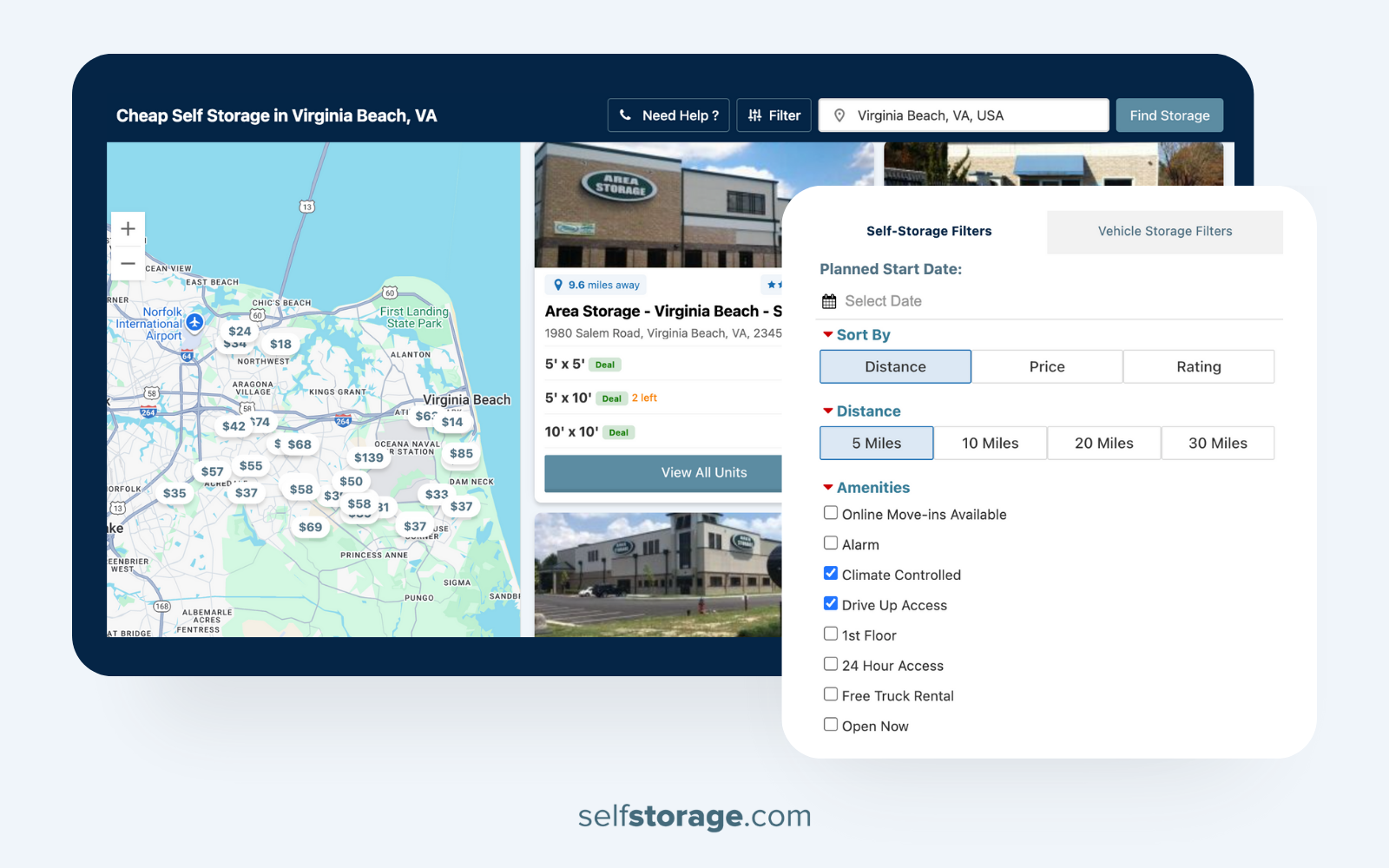
Our signature SelfStorage Search Tool lets you compare facility storage options nationwide and pick the best solution for your short- and long-term storage needs. Storage solutions can include traditional storage units, storage units with climate control, storage services like 24/7 access, short- or long-term storage, moving supplies, or vehicle storage.
Just punch your zip code, and SelfStorage.com will filter your search results based on practical parameters you customize.
Plus, with our convenient online move-ins, you can reserve and pay for your storage without ever leaving home. It saves you extra time and the hassle of setting everything up with a facility manager on moving day.