Article takeaways
- Backyard privacy refers to a homeowner’s or tenant’s ability to relax in their backyard without being visible to the neighbors or intruded upon by neighborhood noise.
- Creating backyard privacy starts with identifying what you need privacy from, be it neighbors, the street, or noise, and mapping key sightlines before choosing solutions.
- Rather than relying on a single privacy trick, the most effective privacy setups combine multiple layers like fences, walls, living privacy screens, landscape designs, and smart layouts.
- You can create a private-feeling yard even in small or rental spaces using freestanding screens, outdoor curtains, and container plants instead of permanent construction.
- Budget-friendly privacy ideas like lattice panels, DIY slatted walls, and repurposed planters can help your yard to feel “on display” without relying on a major remodel.
- Decluttering and keeping off-season gear in self storage frees up space for privacy features, seating, and plants, making your yard feel calmer and more usable.
Backyard privacy refers to a homeowner’s or tenant’s ability to relax in their backyard without being visible to the neighbors or intruded upon by neighborhood noise.
After all, there’s nothing cozier and more relaxing than sitting in your own backyard. Whether you’re soaking up the sun, reading, having friends over for a backyard BBQ, or swimming in your personal pool, a private backyard chill session can make us feel renewed.
But it only takes one curious onlooker to make you feel like you’re an animal in a zoo. In fact, there doesn’t even have to be an actual person there. The mere possibility of being seen lounging on your patio set can trigger backyard privacy concerns that take you right out of the moment. And that’s not to mention the neighborhood noise interference.
This helpful guide will go into detail on how to create privacy in your backyard. We’ll dive into some of the most effective backyard privacy ideas. From intentional design concepts to hardscape architecture to living landscape designs. These yard privacy ideas will refresh your home, restore your recharge time, and make your backyard feel like a retreat.
And last but not least, we’ll reveal how SelfStorage.com can help you clear out some extra yard space.
How to Create Privacy in Your Backyard: Step-by-Step Checklist
To create privacy in your backyard, start by defining your privacy goals and walking the yard to map all the sightlines. Check your lease and the local laws. Choose the mix of backyard privacy ideas that conceals your high-use areas without violating any legal homeowner or renter constraints.
Before you start digging up trenches and installing pergolas to block overhead views and layered hedges to prevent street-level visibility, you’ll want to run down this checklist:
Backyard Privacy Checklist

- Define your privacy goal: Maybe you’re blocking the neighbor’s views from their upstairs windows, or maybe you’re blocking the view from your own upstairs. It could be the street view that’s making you feel exposed. But it could also be the neighbors’ patios. Decide on your privacy goals, including whether you care more about visual privacy, noise intrusion, or both.
- Walk the yard and map sightlines: Stand where you relax when you’re enjoying some solo time. And walk around where you entertain guests or have social family time. Note exactly where you can see the street or neighbors’ windows and yards, which implies where you can be seen from. Sightlines include the view over fences, through gaps, or from decks, porches, and patios.
- Check rules and constraints: Be sure to call your local utility locators and check property surveys before you start digging. You need to know where your property lines start and end, and which homeowner the fence responsibilities fall on. Investigate the building codes, HOA rules, lease agreement terms, and height limits, all of which exist for the safety and order of the neighborhood.
- Choose your mix of solutions: Once you know the legal and lease limitations, you can start crossing some yard privacy ideas off your list and highlighting others. Remember, the more you mix and match, the more effective. Combine privacy fences, living privacy screens like hedges, trees, and vines, and movable options like outdoor curtains and lattice privacy screens instead of relying on a single fix.
- Focus on high-use areas: You might not be able to hide every square inch of the yard, so focus on the high-use areas. It could be the poolside area where you sunbathe, the BBQ pit and picnic table, your hot tub deck, or your patio space. Prioritize your high-use relaxing, recreational, or seating areas before worrying about the rest of the property.
- Plan materials, budget, and timeline in phases: Rather than trying to schedule and pay for secluding all your high-use areas at once, break it into chunks. This is especially true for first-time homeowners who are still adjusting to their budget. You can score some quick wins this first weekend, hanging curtains and installing portable planters and freestanding screens. Medium-term projects include lattice screens and panels, trellises, and container gardens. Plan longer builds like fences, pergolas, and permanent walls out ahead of time.
- Install with neighbors in mind: Give your neighbors a heads-up with a friendly conversation before the construction begins. Finish the attractive side of any outward-facing fence to enhance the view from their yard. And consider how your new structure affects their light and sightlines, not just your own.
- Plan for long-term maintenance: You want to set yourself up for safety, security, and easy maintenance for the long haul. Make sure all your structures are stable by considering wind load, securing posts, and using hardware designed and intended for outdoor installation. Wood fences need sealing or staining every few years, and hedges need seasonal trimming. Check post anchors and hardware after major storms.
Backyard Privacy Fence Ideas: Walls, Panels, and Smart Boundaries
A privacy fence is the prime protector of your backyard sanctuary. Whether you choose classic wood fences or a modern composite structure, the boundary style you install will define the main aesthetic of the backyard landscaping ideas that follow.
Classic Privacy Fence Ideas
There’s nothing wrong with sticking to the tried-and-true, standard wood fences. The classic board-on-board, shadowbox, or stockade styles have stayed popular. And not just for their natural and rustic vibe, but also for their practicality and effectiveness.
| Style | Description | Pros | Cons | Privacy Level |
|---|---|---|---|---|
| Board-on-board | Overlapping vertical boards alternated on both sides of the rail, creating full coverage with no gaps. Looks finished from either side. | True good-neighbor design; No visible gaps; Sturdy and attractive from both sides | Higher material cost than simpler styles; Requires regular sealing or staining to prevent warping | High Privacy |
| Shadowbox | Boards alternated on opposite sides of a center rail, leaving small gaps that allow airflow and a shadow/light effect while still blurring sightlines. | Lower material and construction costs than board-on-board; Allows airflow; Equally attractive on both sides | Gaps mean it’s not a solid screen; Sightlines blurred but not fully blocked | Semi-Private |
| Stockade | Panel fence made by butting vertical boards together along horizontal posts, all facing outward in the same direction, with a clear inside and outside. | Most affordable wood option; Fastest to install; Tight at installation with no visible gaps | Wood shrinks over time, widening gaps between planks; Unfinished back side | Changes from High Privacy to Semi-Private Fence Over Time |
Vinyl and composite fence options eliminate most of the maintenance burden that wooden fences present. They don’t warp, rot, or need painting, and they hold their color over time. That said, the upfront cost is higher than wood, but the long-term savings on upkeep make them worth considering for homeowners who want a set-it-and-forget-it privacy screen
Whatever style you choose, look for good-neighbor designs that present a finished face on the side facing your neighbor. Be mindful of your local fence height codes. Most jurisdictions cap residential privacy fences at 6 to 8 feet, and building beyond that without a permit can mean tearing the work down at your own expense.
Ideas for a Privacy Fence with Style
For a stylish backyard privacy idea, use horizontal slat fences or mixed materials like wood combined with metal or masonry for a modern look. If you’ve got a sloped yard on your property, you can install staggered-height or stepped fences.
You can upgrade your simple privacy fence to a stylish screen by adding cap rails, trim, and post toppers. And for a vibe that’s sure to impress your neighbors and guests and increase your curb appeal, try including windows or cut-outs with frosted glass or polycarbonate panels to let in light without losing privacy.
Low-Wall and Partial-Height Solutions
Another nifty yard privacy idea is to combine short walls with tall planting. The walls act as a hard boundary, while the greenery adds a softer, layered privacy fence line. You can install half-walls around seating areas or fire pits to block direct views while keeping the space feeling social.
Landscape designers can then tie these low-sitting retaining walls into their backyard landscape ideas to keep the vibe high with your overall privacy plan in mind. Just be sure to let the landscape contractors know what your goals are before they get started.
Ideas for a Privacy Fence: Cost, Installation, and Privacy Level Comparison
| Solution | Approx. Cost | Installation Speed | Privacy Level | Best For |
|---|---|---|---|---|
| Wood Privacy Fence | Moderate–High | Medium (days) | Medium-High | Permanent boundaries, traditional neighborhoods |
| Vinyl / Composite Fence | High | Medium (days) | High | Low-maintenance yards, wet climates |
| Living Fences | Low–Moderate | Fast (hours) | Medium (grows over time) | Softening hard boundaries, adding greenery (Metal Trellis and Vines) |
| Bamboo / Reed | Low | Fast (hours) | Medium | Rentals, tropical aesthetics, quick fixes |
| Lattice Panel | Low | Fast (hours–1 day) | Partial | Budget builds, climbing plants, small yards |
| Privacy Screen | Low–Moderate | Immediate | Medium–High | Renters, patios, windy areas (weighted base) |
| Masonry / Wall | High | Slow (days–weeks) | High | Sloped yards, permanent upscale builds |
| Outdoor Curtains | Low | Immediate | Medium | Renters, patios, seasonal use |
Patio Privacy Ideas: Screens, Curtains & Simple DIY Upgrades
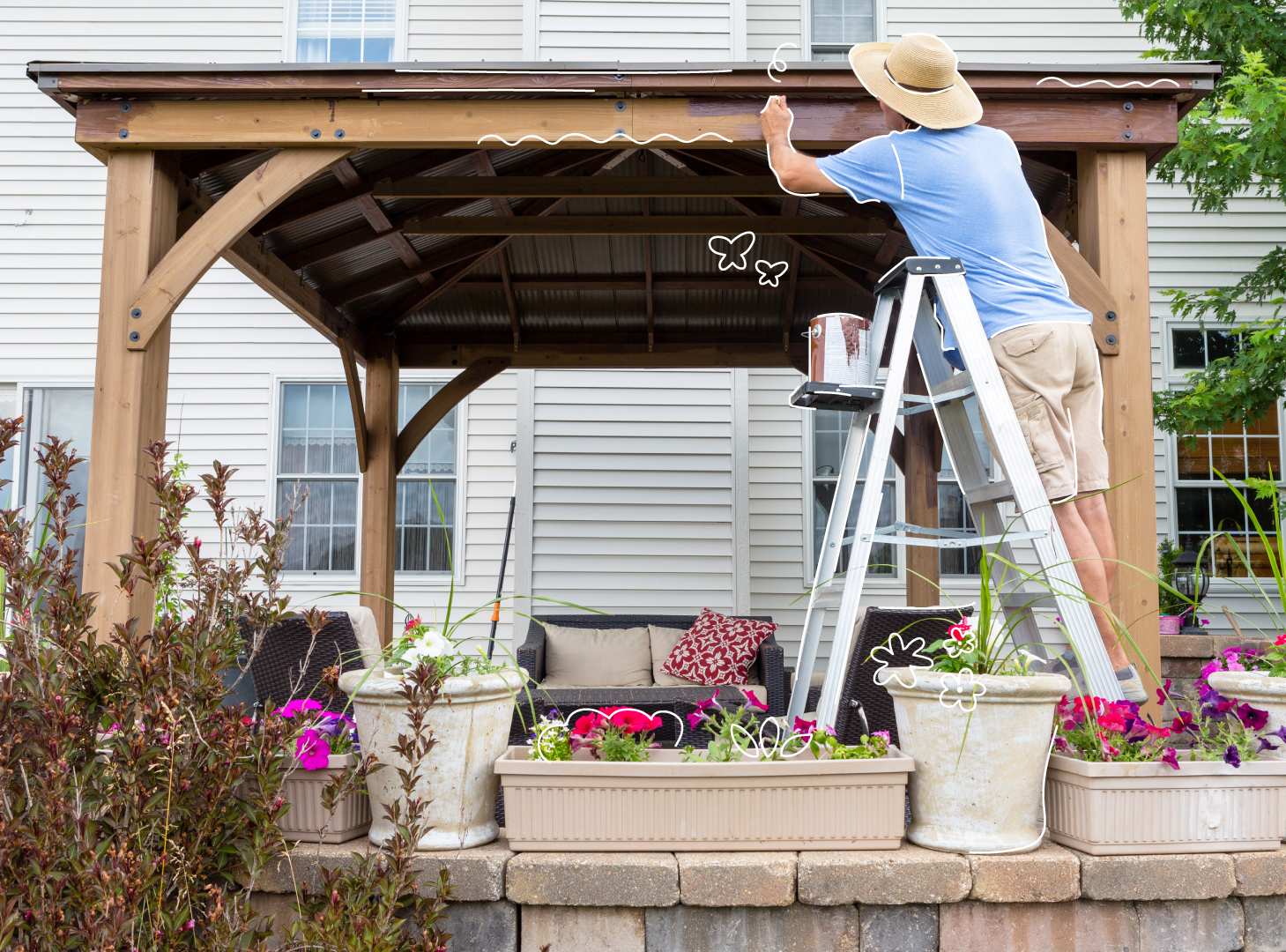
Once you have your backyard privacy ideas set up around the fenceline, it’s time to zoom in. Implementing some private patio ideas can add an extra layer of seclusion. DIY backyard privacy ideas like privacy screens, outdoor curtains, and lattice privacy screens can keep you and your company tucked away during patio dinner and relaxation sessions.
Freestanding Outdoor Privacy Screens
Folding wood or metal privacy screens are not only effective but also convenient, since you can move them as needed. You can use multiple screens to block a neighbor’s line of sight from one direction without fully enclosing the space.
If you live in a windy region, you can anchor your screens with heavy planters, gravel boxes, or weighted bases. You’ll lose the mobility factor, but your privacy screen outdoor setup will stay functional and intact.
Rail, Panel & Lattice Privacy Ideas for Patios
Try attaching a lattice screen or slatted panels to your deck or balcony rails for a cozy privacy boost. If you’re looking for renter-friendly options, tension-based methods can do the trick without any drilling.
Combine the lattice with some climbing vines or other types of climbing plants, and you’ll soon have a charming, living wall. For a sleek, modern patio aesthetic, consider using slim metal panels or decorative cut-out screens.
Outdoor Curtains, Canopies, and Pergolas
Drape outdoor curtains from tension rods, wires, or pergola beams for a flexible, movable wall. If your backyard is viewable from surrounding second-story windows, you might consider adding a gazebo, some stylish shade sails, or the legendary mammoth pergola to shield your space.
When you’re picking out your fabrics and hardware, keep the outdoor weather and UV rays in mind. You want fabrics that will either fade well or are UV-resistant to keep everything looking fresh. And be sure to choose hardware and wood that will be sturdy against any harsh weather!
Private Patio Layout Ideas
Arrange your seating so everyone faces inward or toward some eye-pleasing greenery, so you’re not locking eyes with the neighbors by staring through their windows. If your patio is a shared space, you can add some extra cozy layers with rugs, potted plants, and side tables to create your own “private” zones.
You can use structures like outdoor fireplaces or pool houses to your advantage. Position your furniture around or between them so they double as a visual barrier.
Backyard Privacy Plants: Hedges, Trees, and Living Privacy Screens
Adding some backyard privacy plants, hedges, vertical gardens, and fast-growing privacy trees are backyard privacy ideas that guard your sanctuary from wandering eyes while blessing your own eyes with natural beauty.
Fast-Growing Privacy Hedges and Shrubs
Evergreen hedges such as the Green Giant Arborvitae, North privet, or different laurel varieties can be mixed and matched together to create a lush privacy hedge. We suggest these species because they grow quickly and offer dense coverag coverage.
But remember to keep up with pruning and manage the roots to prevent overgrowth and overcrowding. Make sure to space them out properly to avoid any drainage issues–or breaking your local HOA rules.
Privacy Trees and Layered Planting
Use small ornamental trees to block specific windows or balconies. Layer trees, shrubs, and groundcover for a natural, less “wall-like” border. Landscape Architects often recommend mixing privacy trees with ornamental grasses to add texture and depth, ensuring you don’t block your own natural light or solar panels.
Consider using charming ornamental trees to shield specific windows or balconies. For a more natural and pleasing look, layer in a mix of trees, shrubs, and groundcover to create less of a “wall-like” feel.
Lots of landscape architects suggest incorporating ornamental grasses around your privacy trees to add texture and depth. That said, you don’t want to block yourself from the natural light. And be sure you’re keeping any solar panels in mind as well.
Vertical Gardens and Container Screens
Spruce up your existing fences with living walls or vertical gardens for some extra privacy and a pop of color. Plus, you can throw some fresh herbs into the mix.
Tall planter boxes with climbing hydrangea vines or climbing roses can give you a seasonal privacy boost. If you’re renting, container-based screens might be the ideal option, since you can move or rearrange them as needed.
Backyard Privacy Plant Options: Height, Growth Speed, and Region Comparison
| Plant Type | Typical Height | Growth Speed | Evergreen? | Best For (Region / Use Case) |
|---|---|---|---|---|
| Green Giant Arborvitae | 40–60 ft | Fast (3–5 ft/yr) | Yes | Large perimeters; cold-hardy zones 5–8 |
| North Privet | 10–15 ft | Fast | Semi-evergreen | Quick hedges; cold climates, zones 4–7 |
| Cherry Laurel | 10–20 ft | Fast | Yes | Dense screening; mild climates, zones 6–9 |
| Ornamental Grasses | 3–8 ft | Moderate | No (cut back annually) | Layered borders; most climates, zones 4–9 |
| Clumping Bamboo | 10–20 ft | Fast | Yes | Narrow spaces, container use; zones 6–10 |
| Leyland Cypress | 40–70 ft | Very Fast (3–4 ft/yr) | Yes | Large lots needing tall windbreaks; zones 6–10 |
| Holly (Nellie Stevens) | 15–25 ft | Fast | Yes | Dense year-round coverage; zones 6–9 |
Yard Privacy Ideas for Small, Sloped, and Rental Backyards
Some backyard situations are tricky and require creative and flexible yard privacy ideas. We’re talking about privacy ideas for backyards that slope, backyard privacy ideas for renters, and how to create backyard privacy without fences.
Small Yard Privacy Ideas
In a smaller yard, opt for tall, slender features like slatted panels, columnar trees, or tall planters instead of bulky hedges that take up precious space. Consider adding some multi-purpose furniture pieces, like benches with high backs or storage boxes that can also serve as a privacy wall.
You’ll want to keep the sightlines within the yard open to maintain a sense of spaciousness, while closing yourself off from the sightlines of neighbors and passersby.
Privacy Solutions for Sloped or Uneven Yards
Try using stepped fences and terraced planting to follow your yard’s natural grade changes. You can also pair retaining walls with built-in railings and privacy screens to give you that extra bit of height.
Be sure you’re looking for ways to keep the sloped scenery open and balanced, letting the landscape speak through the privacy walls.
Backyard Privacy Ideas for Renters
If you’re renting, you might not be able to install permanent structures. You’ll also have to follow the rules outlined in your rental agreement. We suggest homeowners without a fence, renters, and subletters consider using freestanding bamboo screens, planters, and tension-rod curtains that won’t require any digging or permanent installations.
Renters can also use portable deck tiles and outdoor rugs to create defined areas without violating their lease terms. Remember to take photos of your setup before and after to prove there’s no lasting damage when it’s time to move to a new house.
Backyard Privacy on a Budget: Cheap Backyard Privacy Ideas That Work
Transforming your backyard doesn’t require a big budget as much as a mix of creativity and critical thinking. You can spruce up an existing chain-link fence with DIY lattice or reed fencing for a vibrant makeover. Sand and stain old wooden pallets to renovate and repurpose them as a charming, rustic, and modular privacy wall.
Add a personal touch by making custom outdoor curtains with outdoor fabric and grommets. Instead of covering the entire perimeter with living privacy screens or wooden fence walls, create cozy privacy “pockets” using thrifted metal trellises and a mix of planters.
Freshen up your space by painting or staining existing wood structures and pieces to give your yard a more unified look. For seasonal shade, umbrellas or shade sails are an affordable way to keep cool during the sunny months.
Backyard Privacy Etiquette, Safety & Rules

While we plan our backyard renovations, let’s not forget to consider the etiquette, safety, and rules your backyard privacy fence ideas will need to follow.
Property Lines and Fence Responsibility
Before you start digging, it’s a good idea to call 811 to have underground utility lines marked on your property. It’s also helpful to check your property survey so you’re clear on your exact boundary to avoid any fence disputes or misunderstandings about property limits with your neighbors.
Building codes, HOA Rules, and Height Limits
Local building codes and HOA guidelines are there to help keep neighborhoods safe, maintain the pleasant views, and make sure any new structures don’t intrude on neighboring properties. Most places allow residential privacy fences to be between 6 and 8 feet tall, but may have stricter rules near the front of your property.
In some cases, HOA rules are harsher than the local codes, and you might have to follow both. Skipping these steps can lead to fines or having to take the fence down. Plus, you might run into some issues if you decide to sell your home down the road.
Structural Safety
Any fence, screen, or overhead structure needs to be built to handle all the seasonal weather conditions expected in your area, even if they’re harsh. That means using posts set deep enough to resist wind load, hardware rated for outdoor use, and fasteners that won’t corrode over time.
A structure that looks solid on a calm day can turn into a hazard or liability in a serious storm. Check anchors and attachments once per season and after any major weather events.
Being a Good Neighbor
Give your neighbors a heads-up before you start your backyard privacy construction projects. Better to be transparent than to surprise them with a crew and materials one morning. Consider how your new structure affects their light, views, and their ability to feel at home and relax in their own yard.
Be sure to choose materials and designs that look nice on their side, too. A good-neighbor fence that is finished on both sides goes a long way toward keeping the relationship intact long after the project is done.
Finally, remember that noise masking techniques like the sound of a small water garden or rippling water can be just as effective as a visual barrier, making your yard feel like a backyard sanctuary without having to nag your neighbor.
How SelfStorage.com Can Help You Create a Calmer, More Private Backyard
Crafting a private backyard is a blend of hardscape architecture and intentional, living landscape design. Start by analyzing your sightlines and understanding your local ordinances. Then, mix-matching layers like privacy fences, climbing plants, and strategic noise masking to transform your backyard into a secluded getaway.
Whether you are working with a landscape professional to install a permanent privacy wall or adding simple, renter-friendly touches, you can always start small. Add on to your backyard privacy ideas as time unfolds until you achieve your ideal backyard sanctuary.
That said, space is a big factor in your backyard privacy strategy. Our storage expert’s advice is to declutter your garage before you start planning.
Once your garage is decluttered, you can move any excess stuff from your backyard into the garage. After all, when your yard is full of gear, toys, and tools, it is harder to feel calm and secluded.
Check out our guide for some expert advice on how to declutter your garage in a single weekend. The short version is to divide things into 4 piles: keep, donate, trash, and sell.
Once you’ve donated, sold, and thrown away everything you’re not keeping, it’s time to sort through what’s left.
The last step you can take toward turning your garage into a clean, functional space that serves your needs is to decide if you need extra space. You can check out our guide to DIY basement organization. Or you can book yourself a self storage facility close by.
Finding Self Storage
If you’ve got valuables that don’t fare well in fluctuating garage or basement temperatures, or you’re simply running out of space in your newly organized garage, consider renting a climate-controlled storage unit. You can also use climate-controlled storage for seasonal items like patio cushions, heaters, and bulky planters that don’t need to stay outside all year.
You can seek out long-term storage. Or if you only need extra space while hosting private backyard events, seek out a temporary self storage unit that offers a month-to-month lease.
But not all storage units are created equal. You might need climate control, for example, and not all facilities offer that. Or maybe you want 24/7 access so you can load some things in and out of your self storage unit between seasons.
You’ll also need the right storage unit size. But how do you find a self storage unit that has the amenities that’s also close enough to your yard to make quick and easy pick-up/drop-off runs?
That’s where we come in.
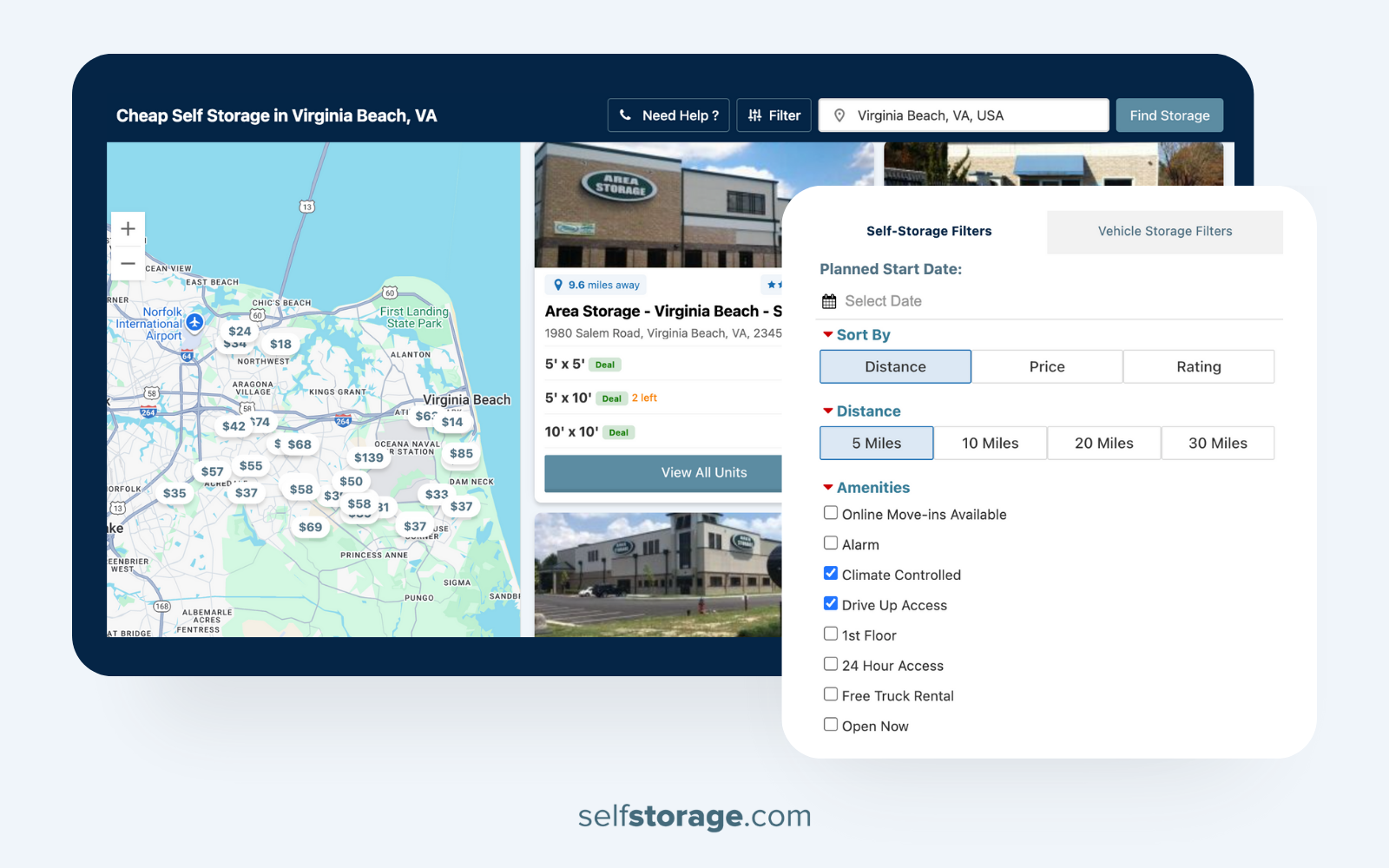
At selfstorage.com, we make it easy to find the perfect storage solution in a convenient location. Just punch your zip code into our handy self storage locator tool, select the features you need, and our amenity filters will limit the search results to self storage facilities in your area.
And it’s free to use–no credit card required. That means you can save your budget for planning and installing your ideal mix of backyard privacy ideas.
Self Storage Advice Just for You
In this guide, we’ll walk you through how to turn your outdoor space into something special, no matter the size of your yard or the size of your wallet.
Whether you’re a seasoned pitmaster upping your guest count or planning your very first cookout, this comprehensive guide will equip you with everything you need to host a backyard BBQ.
A refreshed home isn’t just cleaner; it functions better, feels better to come home to, and if the outside gets some attention too, it looks better from the street.
FAQs

About the Author
Michael Ta’Nous
43 Articles
Michael Ta’Nous is a full-time writer who works and lives with his wife in Taos, New Mexico. “Mikey” spent his early twenties living either out of a van as a touring musician or out of a backpack on motorcycle trips writing from cafes–these rigorous adventure years polished him into a master packer. In addition to managing storage units full of catering supplies and outdoor gear professionally, Michael has used storage units as a band rehearsal space and a motorcycle garage.
More from Michael Ta’Nous